

If you’re a head of marketing or digital marketing in a small to midsize business, grappling with the challenges of boosting brand awareness, enhancing lead generation and ensuring quality results, you’ve likely heard about social selling. But why is social selling important? If prospects discuss their buying questions on social networks, those conversations offer another place to listen and respond.
Social selling means using social networks to meet prospective customers, answer questions and develop relationships over time. It’s about nurturing relationships, engaging with potential leads, and positioning your brand as a trusted source to solve customers’ problems. It’s not about quick wins or short-term tactics; it’s about long-term relationship building.
To help you better understand the importance of social selling, here’s what the available evidence shows:
- LinkedIn Sales Solutions reports that 78% of social sellers outsell peers who do not use social media. That comparison does not show that social selling caused the difference.
In this guide, we’ll look closer at the importance of social selling and cover where to listen, how to start a conversation and how to assess the response.
Understanding Social Selling: Definition and Key Concepts
What is Social Selling?
Social selling, in its simplest form, is a strategic method for sellers to connect and build relationships with prospects through social networks. It goes beyond using social media platforms like Facebook, Twitter, or LinkedIn; it’s about leveraging the entire digital ecosystem, including sales technology and tools, to engage with potential customers more effectively. It’s about using your brand’s online presence to provide valuable content, engage directly with potential customers, and build a reputation as a trusted advisor in your industry.
Before joining those conversations, choose a profile image that helps professional contacts recognize you.
Treat social selling as a form of modern relationship-building. It’s about more than just adding new contacts to your sales list; it’s about forming meaningful social interactions: what question did the prospect ask, and what could you share that would help?
The Primary Reason to Use Social Selling
The primary reason to use social selling is to create a relationship of trust between the brand or retailer and its customers. This trust can allow you to accompany customers in their reflection as they decide to buy. Use social conversations to understand a prospect’s questions before proposing a call or sending product information.
In comparison to traditional sales techniques, social selling is not geared towards making a quick sale. Instead, it focuses on building long-term relationships with customers by providing them with valuable content and engaging with them on their preferred social platforms.
The Role of Social Media in Social Selling
Social media plays a vital role in social selling. Look for networks where prospective buyers already ask questions about problems you solve.
Social media platforms such as LinkedIn or Facebook act as a bridge, connecting businesses with potential customers. They provide a platform for businesses to engage with potential leads, share relevant content, and build strong relationships.
But remember, social selling isn’t just about selling; it’s about engaging with your audience, building trust, and establishing your brand’s credibility. So while selling is the ultimate goal, the journey to the sale is just as important.

The Importance of Social Selling: Why it Matters
Consider what you want from a conversation: a clearer understanding of a buyer’s problem, a follow-up question or permission to send more information.
Building Trust and Relationships with Prospects
Start with the question the prospect asked rather than with a pitch.
Social selling allows businesses to interact with prospects on social media platforms. By engaging in meaningful conversations, sharing valuable content, and showing a genuine interest in their needs, businesses can build trust with potential customers. When a prospect describes a problem, answer it directly and invite a follow-up.
Boosting Brand Recognition and Audience Engagement
Actively participate in social media conversations, share relevant content, and engage with your audience. Track whether the same people return to the conversation.
In addition, social selling can showcase your brand’s personality and values. Use examples that show how your team approaches a customer’s problem.
Increasing Website Traffic and Lead Generation
Sharing content that resonates with your audience can also bring people to your website. If a resource answers a buyer’s question, share its link. Track visits and inquiries separately.
Moreover, through social selling, you can identify and engage with prospects. Record which conversations lead to a qualified inquiry and how much time the outreach takes.
Growing Your Business through Social Selling
Social selling can use the free platforms available on social media to connect with prospects. Include staff time and software costs when comparing social outreach with other sales channels.

In the following sections, we’ll cover how to practically implement social selling in your business.
How to Implement Social Selling: Practical Steps and Tools
Start with one network your prospects use and one customer question your team can answer well.
Getting Started: Choose a Network

Choose a network based on where buyers discuss your category. Your social accounts shouldn’t merely be a carbon copy of your resume or company profile. Use your profile to explain whom you help and what you can answer.
To leverage these platforms effectively:
- Use a professional profile photo
- Personalize your background image
- Craft a memorable headline, not just your job title
- Write a compelling bio that highlights the value of your product or service
- Engage authentically, show genuine interest in others, and learn through observation
Using LinkedIn for Social Selling: Building Credibility and Extending Your Network
On LinkedIn, you can find prospects, learn about their needs, and engage in meaningful dialogues. Look for discussions relevant to your buyers. Before paying for a prospecting tool, check whether its features fit your sales process.
Using Public Conversations to Listen
Consider the type of content you post, engage with your audience, and read the conversation before replying. Avoid repeating a pitch or adding tags unrelated to the topic.
Using Facebook for Social Selling: Engaging with Businesses and Joining Relevant Groups
On Facebook, engage with businesses directly and join groups relevant to your buyers. Read the group rules before replying to questions or contacting members.
Choosing Tools for Social Selling
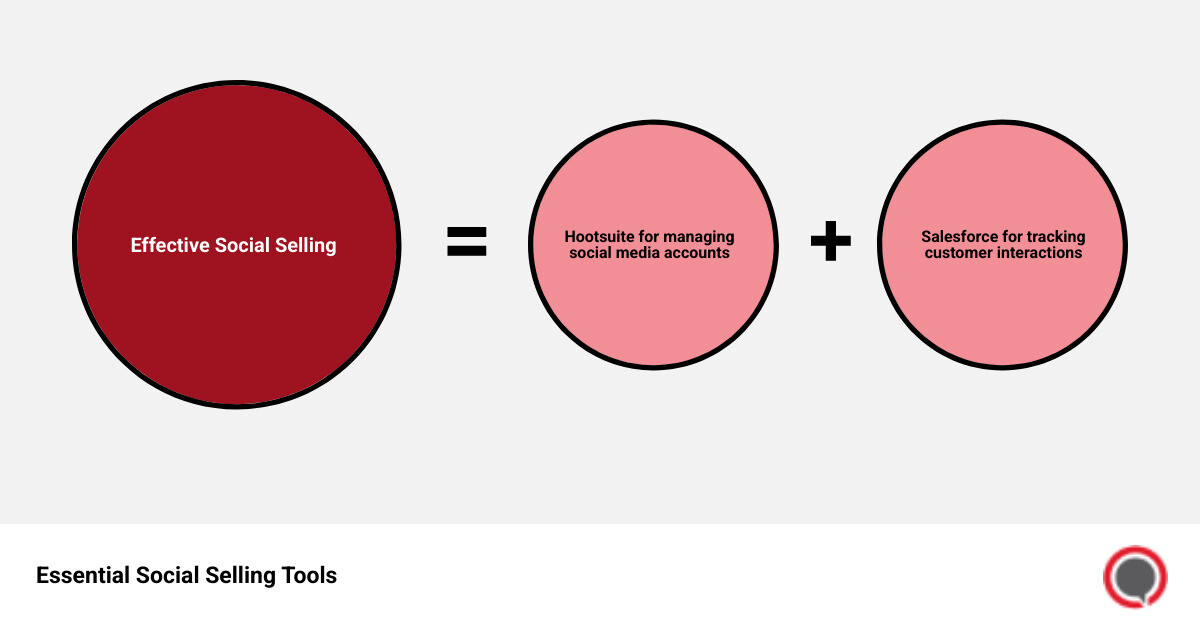
Finally, to streamline your social selling initiatives, consider using some dedicated social selling tools. Decide whether you need scheduling, contact records or employee sharing. Check each shortlisted tool against that requirement.
Implementing social selling isn’t just about having a presence on social media platforms, but about using them strategically to build relationships and drive sales. With these tips at your disposal, you’re well on your way to reaching the full potential of social selling.
Best Practices for Social Selling: Tips for Success
Social Selling is not a one-size-fits-all strategy. What works for one brand might not work for another. For your social selling strategy, try four practices: share useful material, listen before replying, personalize messages and set a routine you can sustain. Let’s take a closer look at each of these elements.
Establishing Your Brand and Providing Value
The first step to successful social selling is establishing a strong, professional online presence. Your social media profiles should be easily identifiable and consistent across multiple platforms. Make sure your profile picture, job title, information about your job and company, and usernames are consistent across all channels. This helps prospects easily understand who you are and what you offer.
But establishing your brand isn’t just about creating a professional image. It’s about sharing engaging, value-rich content. This could be in the form of blog posts, industry reports, infographics, or even engaging stories about your company. The goal is to share content that not only showcases your expertise but also addresses the pain points of your prospects.
As the saying goes, “give value before you get value.” Offer a useful answer before asking for a meeting. Let the prospect decide whether to continue.
Listening Strategically and Building Relationships
Great social sellers know how to listen. Listening on social media goes beyond simply monitoring mentions of your brand. It involves keeping an eye on industry trends, understanding what your prospects are talking about, and identifying opportunities to engage in meaningful conversations.
An important part of listening is understanding where your prospects hang out online. This could be on popular platforms like LinkedIn, Twitter, and Facebook, or on niche platforms like Quora and Reddit. By identifying active communities where your targets are, you can join relevant discussions and gradually build relationships.
Remember, social selling is not about pushing your products or services. Instead, it’s about building trust-based relationships. As you listen and engage in conversations, focus on being helpful and providing value, and leave room for others to respond.
Keeping it Real: Personalizing Your Messaging
One size doesn’t fit all when it comes to social selling. Prospects appreciate personalized interactions that show you understand their needs and challenges. This means taking the time to personalize your social selling messages. Acknowledge mutual professional contacts, refer to a piece of content you both shared or reacted to, or highlight a shared interest.
In other words, be genuine. Start real, meaningful conversations. Review replies yourself before posting; a canned comment may miss the point of the discussion.
Consistency in Your Social Selling Efforts
Finally, consistency is key in social selling. This doesn’t just mean regularly posting content and engaging with prospects, but also ensuring your brand message remains consistent across all platforms.
Create a routine and calendar for your social selling activities to help maintain consistency, reserving time for posts, replies and follow-up.
Remember, social selling is a long-term strategy. Don’t expect immediate results. Give the trial a review date and decide which conversations are worth continuing.
One last piece of advice: don’t forget to analyze your results. Regularly review replies, qualified inquiries and closed deals separately to understand what’s working and what’s not, and make necessary adjustments.
Measuring Social Selling
Which outcomes matter for your team, and how will you know whether social outreach contributed?
Social selling is not just about making sales. It’s about creating a positive and engaging experience for your customers and building long-term relationships. Test social outreach where it fits the way your buyers communicate.
Frequently Asked Questions about Social Selling
What is social selling?
Social selling, in its simplest form, is a strategic method for sellers to connect and build relationships with prospects through social networks.
Why do businesses use social selling?
The primary reason to use social selling is to create a relationship of trust between the brand or retailer and its customers. Businesses can use social networks to understand buyer questions and keep a conversation going between sales calls.
Does social selling help companies hit revenue goals?
LinkedIn reports an association between social selling and individual sales performance. That does not establish whether a company is more likely to meet its revenue goal.
Deciding Whether to Continue
Compare the value of qualified conversations with the time your team spends starting and following up on them.
Rather than the hard sell, focus on being a part of the conversation, providing value, and building relationships. Join a conversation when you have something useful to add, even if you have nothing to sell that day.
Lastly, remember that social selling can be a team effort. It’s not just the role of the sales team but can involve marketing, communications, human resources, and other departments too. Decide who answers questions, who handles follow-up and when a conversation should move to sales.