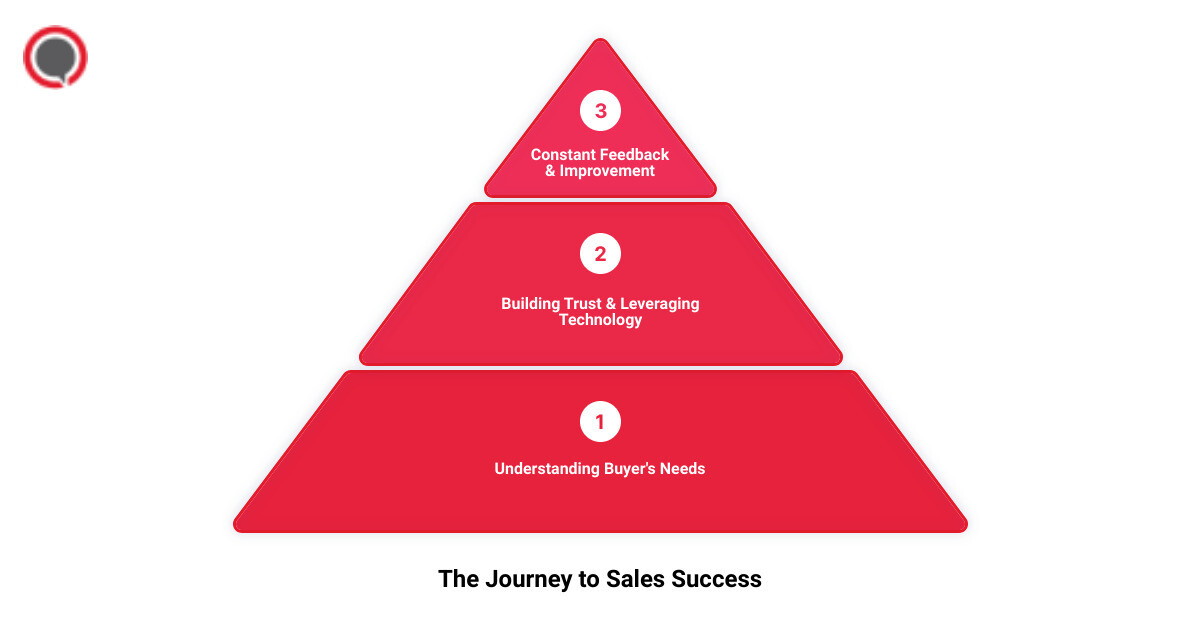

Start a sales conversation by finding out what the buyer needs and whether your offer fits.
Sales tactics refer to the various methods and strategies used to persuade potential customers to buy a product or service. These tactics help influence customers’ decision-making process, address their concerns, and help them decide whether to make a purchase. The challenge lies in identifying the effective sales tactics that resonate with your buyer’s needs and expectations.
Ask where prospects research your business before contacting a salesperson. Use their answers to decide which online materials need attention.
If prospects discuss buying questions on social networks, social selling offers a way to join those conversations before a sales call.
Use this guide to plan discovery questions, follow-up and recommendations for a buyer.
Here’s a quick rundown of the effective sales tactics that we’ll be diving into in this article:
- Warm calling instead of cold calling.
- Utilizing inside sales techniques.
- Being realistic about what your product can do.
- Talking about your competitors.
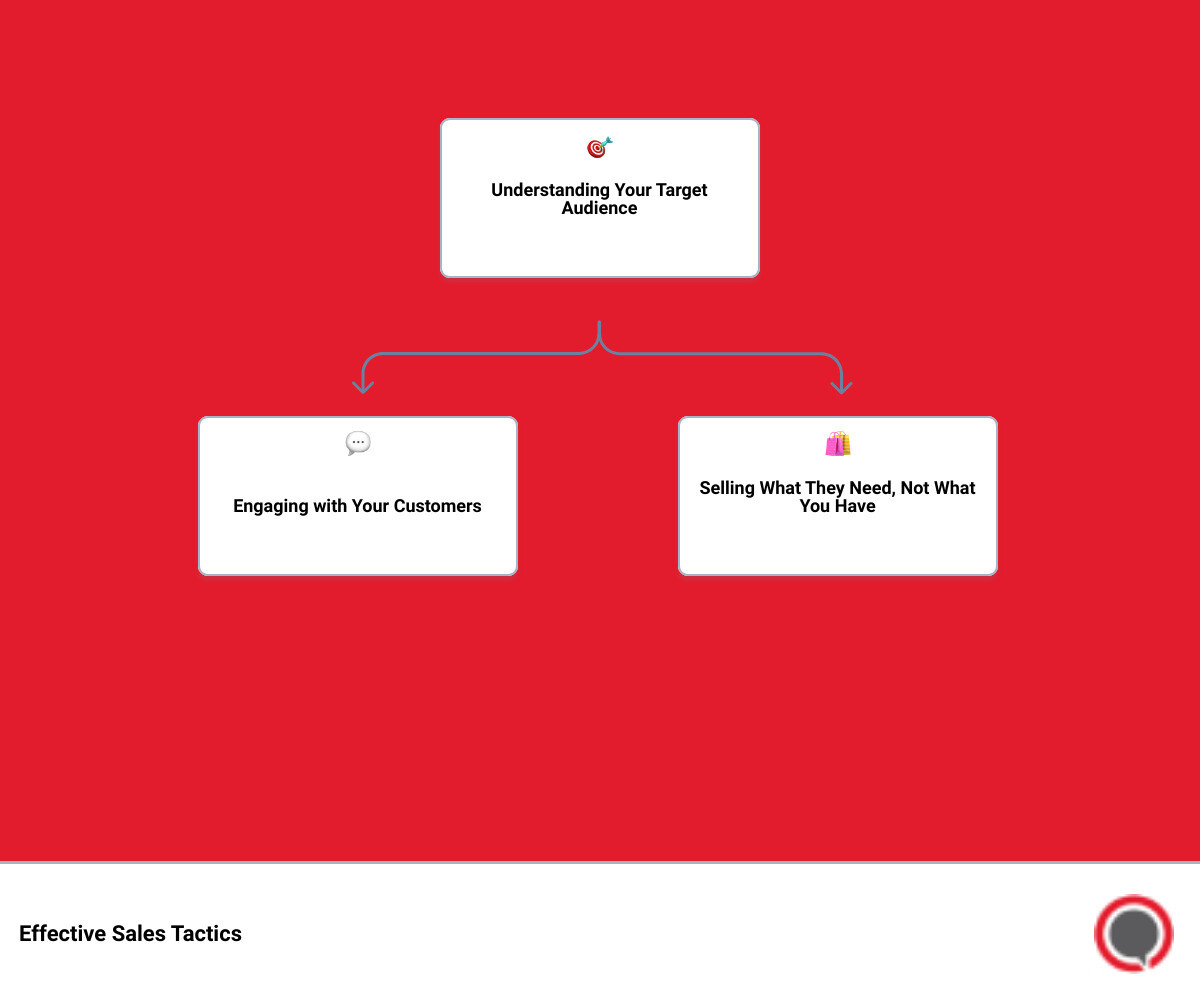
- Understanding your target audience.
- Engaging with your customers.
- Making it simple for clients to find your products/services.
- Selling people what they need, not what you have.
Four approaches to selling
In the world of selling, there is no one-size-fits-all strategy that guarantees success. Sales tactics should be tailored to fit the unique needs and preferences of each customer. This guide compares four approaches: Script-Based Selling, Needs-Satisfaction Selling, Consultative Selling, and Strategic Partnering.
Script-Based Selling

Script-Based Selling is a form of selling where salespeople follow a predetermined script to pitch their product or service. This strategy is often used in telemarketing or retail environments, where repetitive and straightforward transactions are common. While it may lack the personal touch of other strategies, a script can help keep the message consistent. However, it’s important to be flexible and ready to deviate from the script when necessary to address specific customer concerns or queries.
Needs-Satisfaction Selling
Needs-Satisfaction Selling involves identifying and addressing the customer’s needs. This strategy is based on the principle that customers make purchases to satisfy specific needs or solve problems. As a salesperson, your job is to understand these needs and demonstrate how your product or service can meet them. This can be done through asking probing questions, listening carefully to the customer’s responses, and then explaining whether your product addresses those needs. It’s a customer-centric approach.
Consultative Selling
Consultative Selling takes Needs-Satisfaction Selling a step further by positioning the salesperson as a trusted advisor. Rather than just selling a product, you’re providing expert advice and solutions to the customer’s problems. This approach requires a deep understanding of the customer’s business and industry, as well as a high level of expertise in your own product or service. As a consultative seller, you’re not just pushing a product, you’re offering value and building a partnership with the customer.
Strategic Partnering

Strategic Partnering is a long-term selling strategy. It involves developing a deep, ongoing relationship with the customer, where both parties work together towards mutual goals. This could involve co-creating products, sharing resources, or collaborating on marketing efforts. The aim is to create a win-win situation, where both parties benefit from the partnership. This strategy requires a high level of trust and commitment from both sides.
Building Trust and Long-Term Relationships
Give buyers a reason to trust you: state what you can deliver and follow through.
Offering Value and Solutions
In its 2022 State of Personalization Report, Twilio reported that 62% of surveyed consumers expected personalization and said a brand would lose their loyalty without it. Consider tailoring your solutions to your prospect’s specific business needs.
A good salesperson provides value by showing prospects how their product or service will solve a problem, save money, or enhance productivity. But remember, you can’t provide a solution if you don’t understand the problem. So, make sure to ask pertinent questions that pull out relevant information about your prospect’s situation.
Addressing Challenges and Concerns
Addressing challenges and concerns goes hand in hand with offering value. Dig deep into a prospect’s situation to fully understand their needs and expectations. This includes understanding their potential objections and challenges and addressing them head-on.
If a prospect stops replying, ask whether the offer still fits or whether they would prefer to end the conversation.
Reading Nonverbal Cues
Reading nonverbal cues can be a useful skill in sales. It involves noticing the prospect’s body language, tone of voice, and facial expressions. Check your interpretation with the buyer.
If a buyer seems hesitant, ask what concerns they have rather than assuming you know. Then adjust your approach accordingly.
Differentiating Yourself from Competitors
In a competitive market, differentiating yourself from competitors is essential. This involves clearly communicating what makes your product, service, and team unique.
Emphasize what sets your team apart, and show it with a specific example the buyer can check. Remember, your product demonstration isn’t the end-all, be-all. Everything you do before and after matters.
Leveraging Technology in Sales
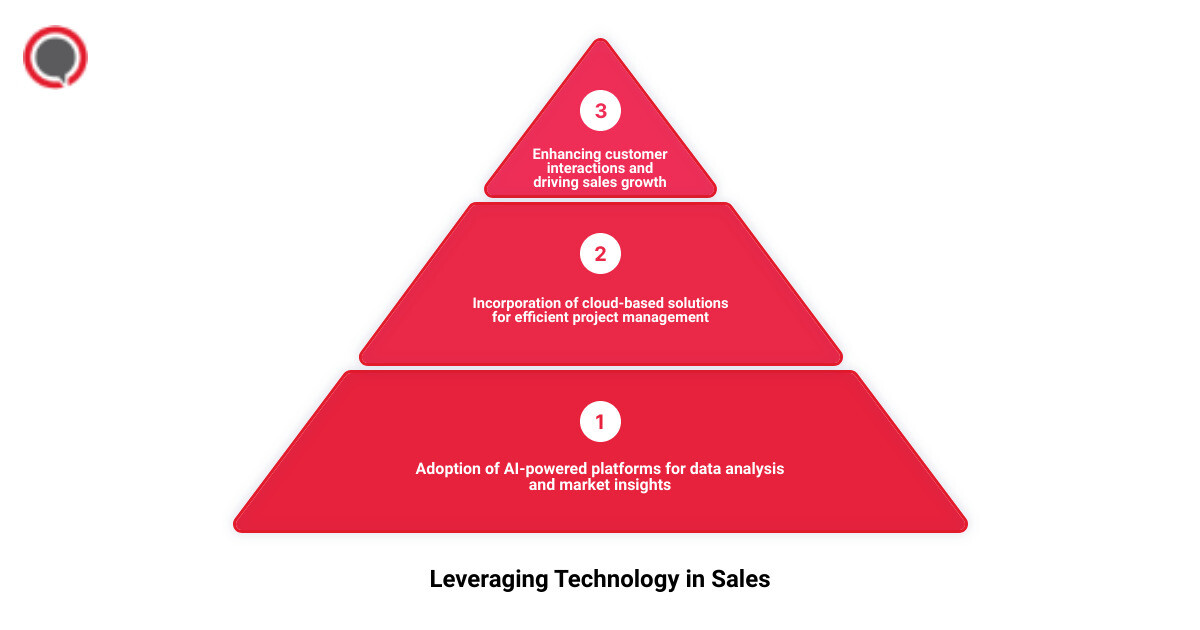
The right use of technology can make a difference in sales. Start with a task you want to simplify or a decision you want better information for.

Exploring AI and Automation
Salesforce describes dashboards, pipeline reports and forecasts as ways to spot trends. Consider automating routine processes such as scheduling meetings and managing social media, and check forecasts against actual outcomes.
Choosing tools for sales and marketing
Consider diversifying lead sources. Choose channels, such as LinkedIn, TikTok, Instagram, or Snapchat, based on where your intended buyers spend time and what your team can maintain.
Automation tools may help streamline your marketing efforts. Compare time spent on the task before and after introducing an automation tool, including time spent checking its output.
If your team uses cloud-based solutions to share campaign assets, check who can edit them and how approved versions are identified.
Sales tactics to try
As we look at sales strategies, it’s important to acknowledge that one size does not fit all. Choose a tactic to test against the specific obstacle your buyer describes.
Persistence and Consistent Follow-Up
Be persistent with leads. Consistent follow-ups via emails, phone calls, or direct mail at designated intervals can keep your brand in the minds of potential customers. Before ending a call, agree on a useful next step, who will follow up and when.
Solving Customers’ Problems and Active Listening
Ask what prompted the inquiry. Active listening plays a central role in this process. By asking probing questions and carefully considering the responses, you can summarize the problem in the buyer’s own terms before suggesting a solution.
Earning Referrals Before Asking for Them
It’s important to earn word-of-mouth referrals by providing exceptional customer service and high-quality products or services before you ask for them. Ask for a referral after checking that the customer is satisfied and comfortable making an introduction.
Mastering the Art of Storytelling
As a sales professional, consider weaving stories about people who have benefited from your products or services. With permission, tell a short customer story that shows the original problem, what changed and how the customer measured the result. This narrative approach can help potential customers envision how your offerings can add value to their lives or businesses.
Offering Guarantees and Showing Proof of Product or Service Effectiveness
Offering a guarantee on your product or service can provide your customers with peace of mind and bolster their confidence in your brand. Whether it’s a refund, replacement, or service guarantee, such assurances can be a significant factor in a customer’s decision-making process. Furthermore, showing proof of your product or service’s effectiveness can fortify your customers’ trust in your brand. This could be through customer testimonials, case studies, or ‘before and after’ images, all of which provide tangible evidence of your product or service’s benefits.

Enhancing Sales Performance with Cross-Selling and Upselling
Cross-selling and upselling involve not just selling a product or service, but also identifying opportunities to offer additional value to your customers. Consider an additional product or an upgrade only when it addresses a customer need.
Identifying Cross-Selling Opportunities
Cross-selling is the practice of selling an additional product or service to an existing customer. The key to successful cross-selling lies in truly understanding your customer’s needs and offering a solution that adds value to their original purchase.
One effective way to identify cross-selling opportunities is to work with a customer success team. They can help identify customers who are highly engaged with your products or services and explore opportunities to expand that engagement to new products. If your organization doesn’t have a customer success team, you can typically find this information by digging into historical data in your Customer Relationship Management (CRM) system .
Review the customer’s existing purchases and engagement patterns before recommending another product. It’s important to approach this with a customer-centric mindset, offering solutions that truly benefit the customer, rather than just pushing for a sale.
Maximizing Upselling Potential
Upselling, on the other hand, is the practice of encouraging customers to purchase a higher-end product, an upgrade, or an add-on to make the sale more profitable. As with cross-selling, the key to successful upselling is offering genuine value to the customer.
If a customer is nearing the end of a contract or if they’re using every available seat on their software license, these could be perfect opportunities for upselling. You can suggest it’s time to upgrade to a higher-end product or service or to subscribe to a license with more users.
When it comes to upselling, base recommendations on the customer’s needs and usage patterns. Before suggesting an upgrade, ask which limit the customer has reached and whether a less expensive change would solve the problem.
In the end, it’s important to remember that both cross-selling and upselling should be approached with the customer’s needs in mind. The goal isn’t just to make a sale, but to provide additional value to the customer. Explain the value of an additional purchase and leave room for the customer to decline.

Frequently Asked Questions about Sales Tactics
Which four approaches does this guide cover?
The four approaches discussed here are script-based selling, needs-satisfaction selling, consultative selling and strategic partnering.
What is consultative selling?
Consultative Selling takes Needs-Satisfaction Selling a step further by positioning the salesperson as a trusted advisor. Rather than just selling a product, you’re providing expert advice and solutions to the customer’s problems.
What is the difference between cross-selling and upselling?
Cross-selling is the practice of offering a complementary product or service to an existing customer. Upselling, on the other hand, is the practice of encouraging customers to purchase a higher-end product or an upgrade.
Conclusion
The Role of Feedback in Improving Sales Process
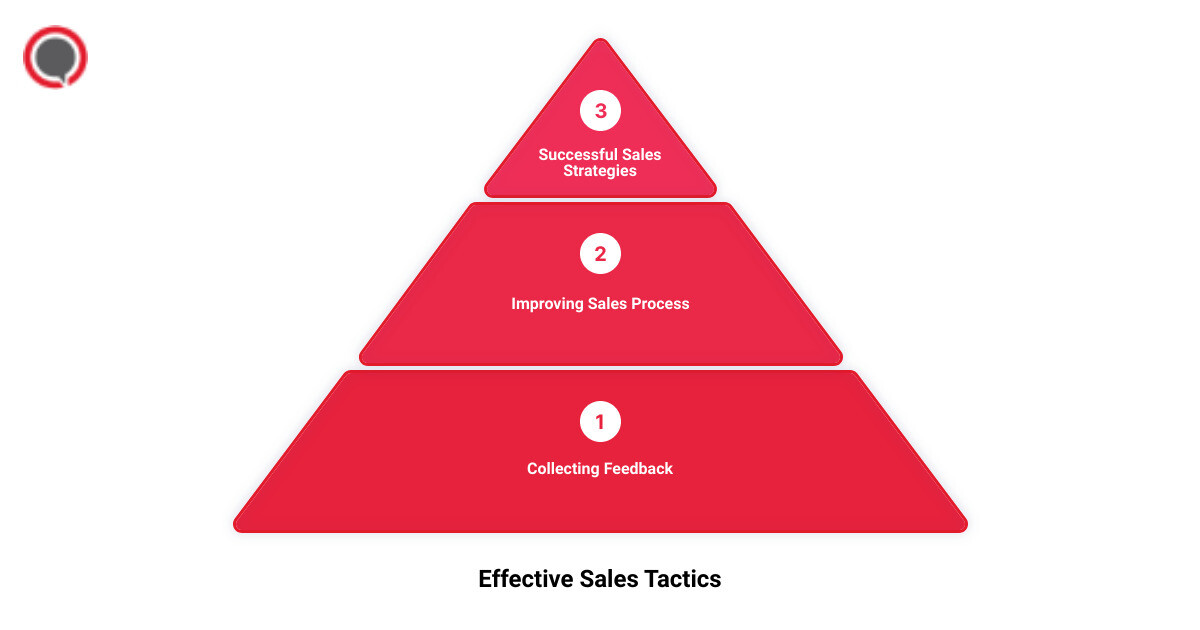
As we wrap up this exploration of effective sales tactics, it’s vital to highlight a key element that ties all of these strategies together: feedback. Ask buyers what they expected, what surprised them and what they would change about the sales process.
Remember, sales is a continuous learning process. Every interaction with a customer is an opportunity to learn and improve. Ask questions like, “Did we meet all commitments made during the sales process? If not, which ones did we fail to meet?” and “Does the product/service meet expectations? If not, what expectations does it not meet?” Use this feedback to refine your sales tactics.
Achieving Sales Targets with Effective Sales Tactics
Sales can often feel like a game of numbers. However, effective sales are not just about closing as many deals as possible; it’s about building relationships, understanding customer needs, and providing value. Review lost and won deals to see which buyer questions your team answered well and which remain unanswered.
Moreover, always be willing to revisit cold leads when appropriate, and never forget the potential of cross-selling and upselling opportunities. These tactics are not just about making a one-time sale, but about growing your business and forging long-term relationships with your customers.
Digital marketing services from SocialSellinator
SocialSellinator offers social media marketing, content, paid advertising and SEO. Ask how a proposed engagement would measure inquiries relevant to your sales team.
Contact SocialSellinator to discuss your digital marketing needs.