
Why Hybrid Brand Community Events Drive Maximum Member Engagement
How Hybrid Brand Community Events Turn Attendees Into Active Members
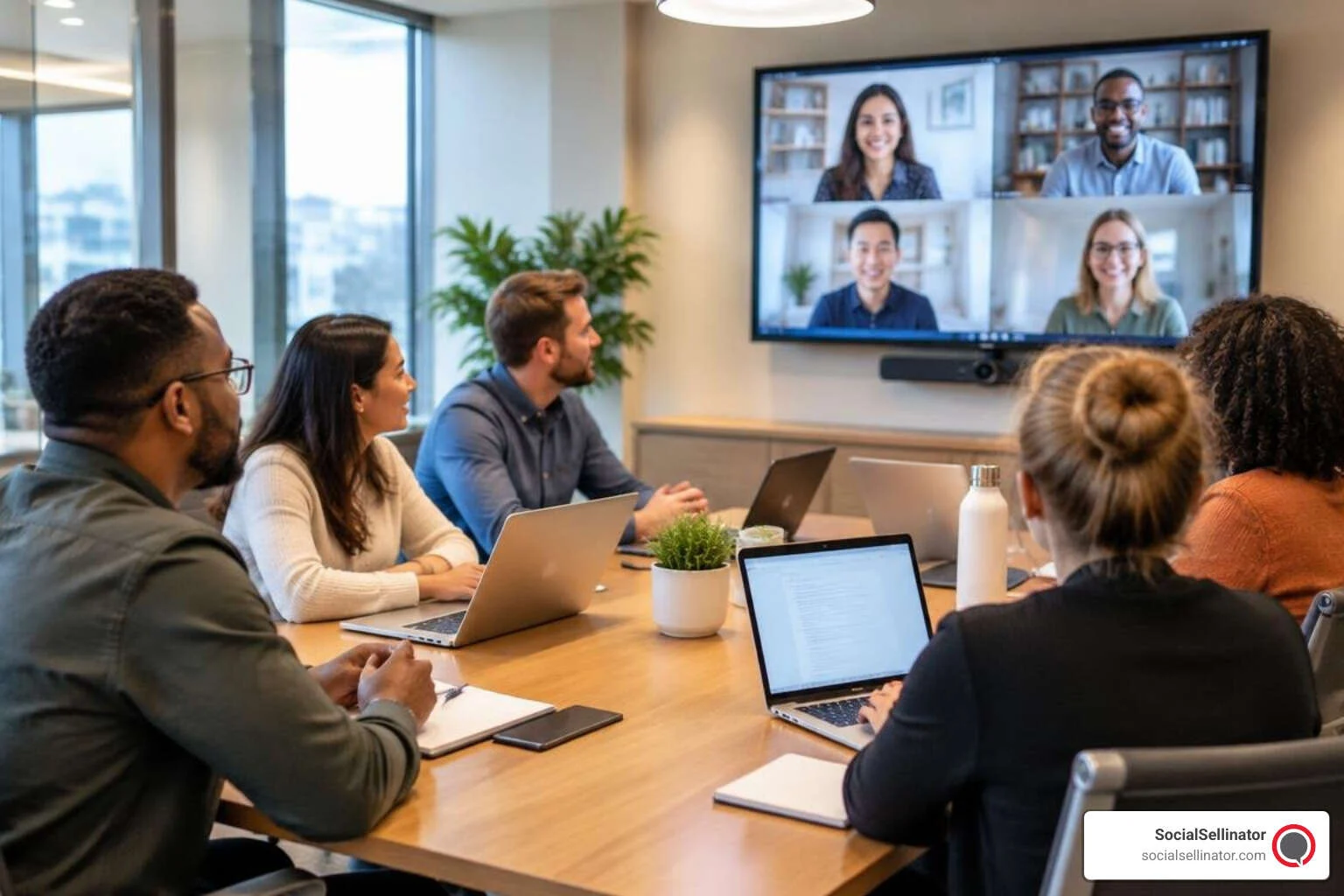
Header image: Members join a brand gathering in person and online.
To host hybrid brand community events, start with a shared goal. Give in-person and online members ways to talk, contribute, and create together. Then plan where those conversations will continue after the event. A livestream lets people watch; a community event gives them a role.
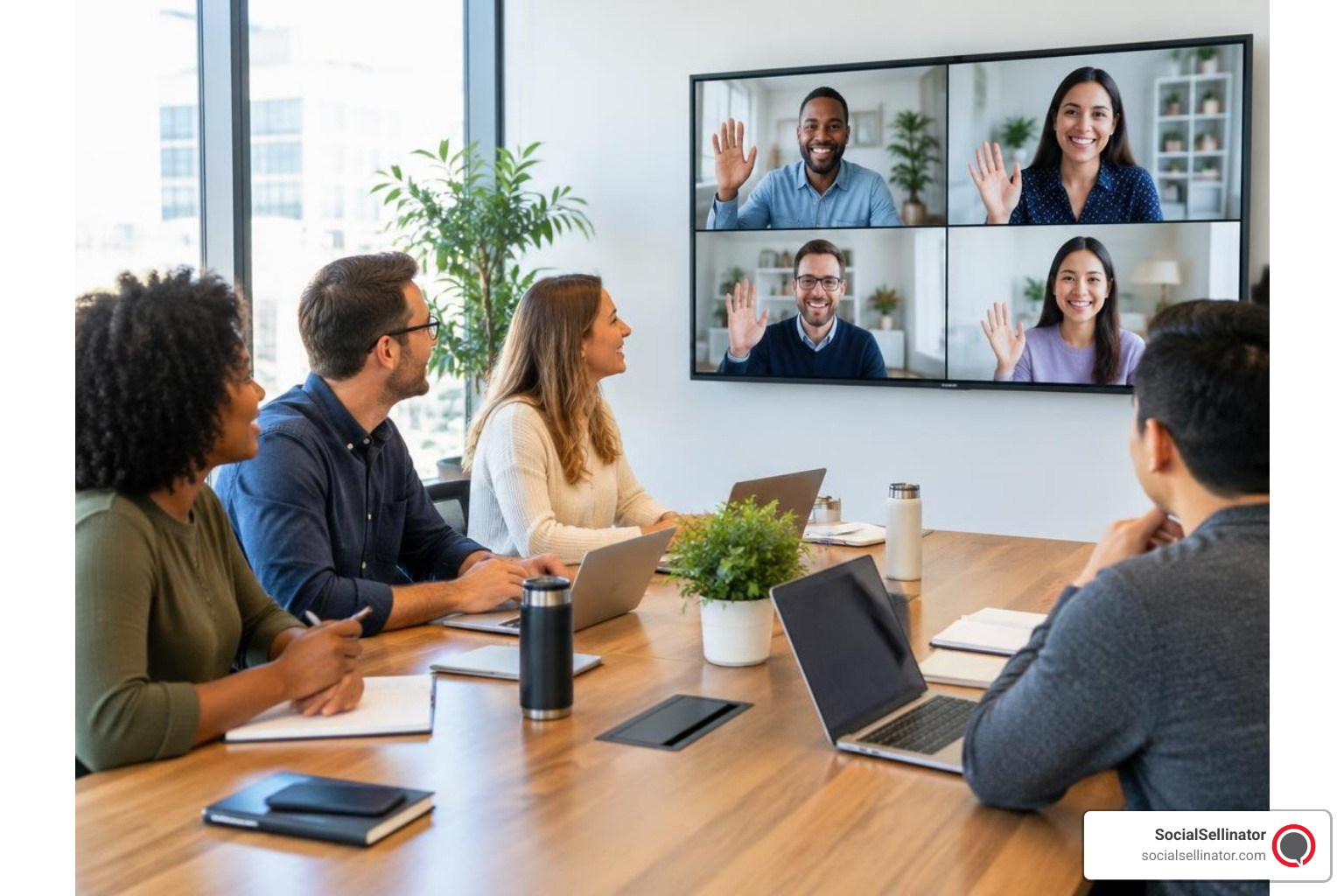
In-line image: A shared workshop includes members in both settings.
That means making room for live questions, member stories, and small-group discussions on both sides of the screen. Track what happens next, too: new connections and ongoing participation tell you more about loyalty than attendance alone. For a broader view of how these gatherings fit into long-term audience development, see this overview of brand community growth.
I’m Jock Breitwieser, and I’ll show you how to turn a hybrid gathering into a lasting part of your community.
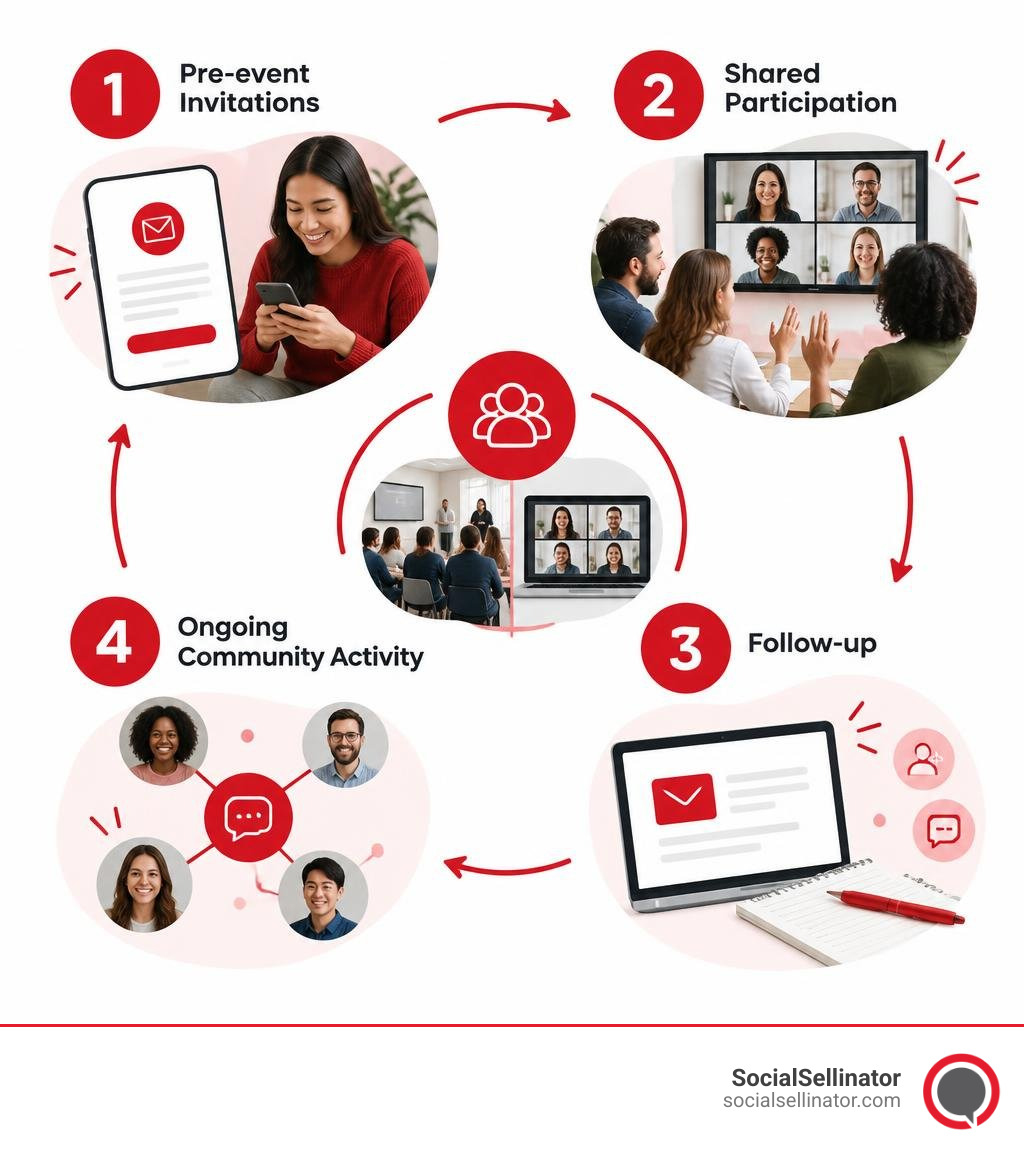
Hybrid brand community events glossary:
Understanding the Shift from Standard Webinars to Community-Driven Hybrid Experiences
The way audiences interact with brands has permanently transformed. For years, digital event production focused on top-down broadcasting: a panel of executives spoke into webcams while attendees quietly scrolled through emails in another browser tab. That transactional model is dead. Modern members demand immersion, agency, and genuine peer connections.
When an organization relies solely on passive viewing, engagement metrics plummet. Industry surveys show that 55% of companies remain hesitant to host hybrid events due to low attendee engagement concerns stemming from virtual networking complexities. However, shifting your perspective from a corporate broadcast to an interactive community activation changes the equation entirely. Research reveals that flexible hybrid formats can boost attendance rates by 50% and extend total audience reach by up to 3 times compared to purely in-person events.
To understand why this transition matters, consider how a standard corporate event contrasts with a community-first activation:
| Strategic Dimension | Standard Corporate Hybrid Event | Community-First Hybrid Activation |
|---|---|---|
| Primary Goal | Information dissemination & lead capture | Relationship building & emotional resonance |
| Audience Role | Passive viewers and listeners | Active contributors and co-creators |
| Virtual Experience | One-way livestream of a physical stage | Integrated digital studio with dedicated emcees |
| Networking | Unstructured chat boxes | Facilitated peer matchmaking and small breakout groups |
| Content Dynamic | Brand-produced slide decks and keynotes | Balanced blend of thought leadership and member stories |
| Post-Event Focus | Email follow-up sequences | Continuous dialogue in persistent community spaces |
Building real cultural resonance requires breaking down the digital wall. Instead of broadcasting a presentation to a passive crowd, leading organizations treat their physical venue as an interactive broadcast studio where both remote and local participants shape the narrative in real time. This shift mirrors modern real-world brand activations and community-driven culture initiatives, creating an environment where spontaneous insights thrive.
Defining the Community-Centric Hybrid Model
A community-centric hybrid model is not simply a physical gathering with a camera pointed at the stage. It is an intentionally designed experience where in-person and digital participants share an identical sense of belonging, access, and agency. For additional context on designing the attendee experience, see these hybrid-event design principles.
This model relies on a decentralized structure. Rather than positioning the brand as the sole authority on stage, the programming elevates member voices, facilitates peer-to-peer discussions, and weaves virtual feedback directly into the physical room. By establishing shared rituals, collaborative challenges, and two-way communication channels, brands build immense equity that transcends geographical boundaries.
Furthermore, this participatory dynamic transforms attendees from passive observers into active stakeholders who feel genuine ownership over the event’s outcomes. When people invest their own ideas, questions, and insights into an experience, their psychological commitment to the broader brand ecosystem increases substantially. Community members no longer view themselves merely as consumers of products or services; they recognize themselves as vital co-builders of a collective movement, actively shaping product feedback, shared culture, and brand advocacy across diverse touchpoints.
Why Member Loyalty Deepens Through Shared Physical and Virtual Spaces
True brand loyalty is built on emotional connection and psychological safety. When customers feel seen, heard, and valued by both a company and their fellow peers, they evolve from transactional buyers into fierce brand advocates.
Shared experiences create powerful social proof. By mastering brand storytelling on social media, we can showcase authentic user narratives during live hybrid sessions, bridging digital comments with physical applause. When a remote participant from Los Angeles shares a product breakthrough that inspires a live attendee sitting in Chicago, a profound human bond forms. That emotional connection cements customer retention in a way traditional advertising cannot replicate.
Moreover, when brand leaders transparently address community challenges in front of both physical and digital rooms simultaneously, it reinforces organizational trust and integrity. These shared moments of vulnerability and collective problem-solving forge authentic memories that permanently alter how members perceive and champion the brand. By integrating comprehensive digital marketing, strategic SEO, targeted PPC campaigns, and active social media management into pre- and post-event touchpoints, organizations can continuously nurture this cross-channel momentum, turning fleeting event excitement into long-term community value.
Core Pillars of Successful Hybrid Brand Community Events
Every remarkable community gathering rests upon structural pillars that support meaningful interaction. Without intentional design, hybrid gatherings risk splitting into two disjointed experiences: an exciting physical party and a boring, static webinar.
By prioritizing human connection, shared identity, and active participation, brands ensure that every attendee feels like an essential contributor regardless of how they log in or walk through the door. Balancing these elements requires planning every agenda item through a dual lens, asking how both remote and in-person members will experience each segment, participate in discussions, and connect with their peers.
Human Connection That Bridges Physical and Digital Gaps
Human connection must be cultivated proactively. If remote attendees are left alone behind their screens, isolation sets in fast.
To bridge this gap, assign a dedicated virtual host whose sole responsibility is to champion the online audience. Think of this host as a live broadcast correspondent: they run exclusive backstage interviews during physical stage resets, translate virtual chat sentiment to mainstage presenters, and moderate specialized digital networking lounges. When both groups receive equal status and empathetic moderation, the physical-digital divide dissolves.
Additionally, establishing dedicated peer-to-peer breakout channels enables spontaneous networking that mimics the casual hallway conversations of physical conferences. Equipping virtual rooms with structured conversation prompts ensures that even introverted or first-time attendees can comfortably participate and build meaningful industry connections.
To weave physical and digital environments even closer, consider implementing synchronized sensory elements. Delivering physical welcome packages, branded tasting kits, or interactive tactile workbooks to remote attendees before event day allows both audiences to share identical physical experiences simultaneously, creating tangible shared memories that reinforce a collective identity.
Active Participation and Collaborative Co-Creation
Passive listeners forget content within days; active participants internalize brand values for years. The most effective gatherings invite members to co-create the event itself through structured interactive touchpoints:
- Real-Time Collaborative Workshops: Pair on-site tables with remote breakout rooms to brainstorm solutions to common industry challenges.
- Live Community Polling and Debates: Use dynamic voting tools to let attendees choose the direction of panel discussions in real time.
- User-Generated Content (UGC) Showcases: Broadcast member-submitted videos, photos, and project case studies directly onto the main stage screens.
- Co-Design Hackathons: Challenge physical and remote teams to design new feature concepts or community initiatives, presenting their findings live to executive leadership.
- Interactive Fishbowl Panels: Invite remote and in-person participants to rotate into dynamic panel discussions, replacing speakers for short interactive segments.
- Live Scribing and Visual Synthesis: Commission digital artists to visually summarize discussions in real time, projecting the evolving mural to both audiences.
- Cross-Venue Idea Exchanges: Facilitate rapid lightning rounds where remote contributors pitch operational ideas directly to live panels for collaborative refinement.
By designing multi-sensory interactions and supporting them with dedicated content creation and digital marketing execution, organizers ensure that every attendee gains substantial value from every session.
Strategic Architecture: Planning, Technology, and Unified Engagement
Executing a flawless hybrid gathering requires dual-track operational planning. From AV infrastructure to interactive digital agendas, every touchpoint must work in harmony to deliver seamless participation.
Designing Inclusive Agendas for Hybrid Brand Community Events
Designing an agenda for dual audiences requires managing cognitive load and screen fatigue. While an in-person attendee might comfortably sit through an eight-hour conference with hallway coffee breaks, virtual participants face severe digital fatigue after 45 to 60 minutes of uninterrupted screen time.
To maintain momentum, structure agendas around a synchronized hub-and-spoke model. Deliver shared, high-impact keynote sessions in concise 20-to-30-minute blocks. Follow these shared moments with diversified breakout sessions: hands-on networking for on-site attendees and curated digital roundtables or gamified intermissions for online participants.
Ensure that your schedule accommodates multiple time zones without forcing remote members to join at unreasonable hours. Offering staggered live tracks combined with immediate on-demand playback guarantees maximum inclusivity. As part of a comprehensive event marketing strategy, mapping these attendee journeys early ensures smooth pacing across every timezone.
Furthermore, incorporate intentional “white space” into the schedule. Over-programmed agendas stifle spontaneous conversations. Giving participants dedicated time between sessions to digest insights, message new connections, and reflect on key learnings dramatically enhances overall event satisfaction and prevents mental burnout.
Key Technology Requirements for Hybrid Brand Community Events
Technology should act as an invisible enabler of connection, not a barrier. Event management research indicates that 68% of professionals actively seek hybrid event technology that supports both physical and virtual integration, while 68.7% agree that leveraging technology to improve attendee experiences is a permanent industry fixture. Furthermore, 88% of planners note that dedicated event mobile apps significantly improve attendee satisfaction scores.
To ensure technical reliability and engagement, your technology stack must include:
- Unified Mobile & Web Event Apps: A central platform where both audiences access schedules, view speaker bios, message peers, and participate in synchronized activities.
- Broadcast-Grade AV Infrastructure: High-definition multi-camera setups, dedicated stage monitors displaying virtual attendee video feeds, and studio-grade directional microphones that eliminate room echo for remote listeners.
- Low-Latency Streaming Servers: High-speed, redundant internet lines (with secondary cellular or satellite failovers) delivering video feeds with less than a two-second delay to enable genuine real-time Q&A.
- AI-Powered Matchmaking Engines: Algorithms that analyze member profiles, interests, and business goals to recommend relevant peer introductions across both physical and digital spaces.
- Interactive Digital Social Walls: Live aggregation screens positioned throughout the physical venue displaying posts, chat highlights, and uploaded photos from remote participants.
- Real-Time Analytics Dashboards: Telemetry systems that monitor participant drop-off, poll response rates, and session feedback in real time, enabling operational adjustments on the fly.
- Dedicated Virtual Green Rooms: Secure digital preparation hubs where remote speakers and panelists can test audio, verify slide decks, and coordinate cues with the broadcast director prior to going live.
Dual-Audience Engagement Tactics and Gamification
Gamification can increase audience interaction by up to 48%. Introducing friendly competition and collaborative goals keeps energy high across both environments.
Implement unified leaderboards where attendees earn points for asking insightful questions, participating in live polls, visiting sponsor booths (physically or digitally), and sharing event insights on social channels. Integrating social media influencer collaboration allows trusted industry creators to host hybrid trivia sessions or lead collaborative challenges, inspiring both audiences to post user-generated content and spark organic online conversations that extend your community reach far beyond the live event window.
Overcoming Common Execution Pitfalls and Measuring Tangible ROI
Hosting complex hybrid gatherings introduces distinct operational hurdles. Recognizing these pitfalls in advance allows your team to engineer proactive solutions while establishing robust frameworks to track true return on investment.
Combating Engagement Imbalance and Technical Friction
The most common execution failure is treating the online audience as an afterthought. When technical glitches occur or virtual chat questions are ignored by on-stage moderators, remote attendees drop off.
To prevent friction:
- Conduct Comprehensive Technical Rehearsals: Test every camera angle, audio feed, virtual voting tool, and backup internet line at least 48 hours before doors open.
- Enforce Strict Moderation Protocols: Train on-stage moderators to alternate equally between physical audience microphones and virtual chat feeds during Q&A segments.
- Deploy Hybrid Icebreakers: Begin sessions with interactive digital prompts that require input from every participant, displaying live word clouds on physical stage screens.
- Design for Mobile-First Simplicity: Ensure all interactive features work effortlessly on smartphones without requiring clunky desktop software downloads.
- Establish Rapid-Response IT Desks: Provide a dedicated virtual tech support room where remote participants can instantly resolve streaming, audio, or login issues.
- Implement Redundant Audio Monitoring: Continuously audit virtual broadcast feeds with dedicated headphones to detect audio lag or volume discrepancies before attendees notice.
Strategic promotional campaigns, supported by targeted brand awareness advertising and data-driven PPC campaigns, help set clear expectations for registrants weeks before the event, guiding them through platform onboarding and reducing day-of login confusion.
Measuring Community Capital Beyond Basic Attendance Metrics
Traditional event metrics stop at total ticket registrations. For a community-driven gathering, vanity metrics tell only a fraction of the story. Studies reveal that 89% of hybrid events deliver a positive ROI for B2B organizations within seven months, largely due to long-term relationship compounding.
To capture the true value of your gathering, measure “Community Capital”—the accumulated business value generated through trusted relationships, shared knowledge, and sustained advocacy:
- Peer Connection Velocity: The volume of direct messages, contact exchanges, and collaborative initiatives initiated among members during and immediately after the event.
- Content Amplification Rate: The proportion of attendees who organically share event insights, quotes, and photos across their own personal networks.
- Community Retention and Reactivation: The percentage of dormant members who resume active participation in community channels following the hybrid activation.
- Net Promoter and Sentiment Scores: Qualitative feedback capturing how valued and inspired members felt throughout the combined experience.
- Qualified Referral Generation: The volume of new prospect introductions, partner collaborations, and sales inquiries originating directly from attendee advocacy.
- Collaborative Project Output: The quantity of member-led initiatives, co-created resources, and user-generated solutions originating from hybrid workshop sessions.
By monitoring long-term community engagement metrics alongside immediate post-event sentiment surveys, brands can directly correlate hybrid event participation with elevated customer lifetime value (LTV) and reduced customer churn.
Integrating Hybrid Gatherings into Year-Round Community Ecosystems
An event should never be a standalone, transactional island. It must serve as an energetic catalyst within an ongoing, 365-day community ecosystem. 60% of event leaders consider events to be their most critical marketing channel for achieving organizational goals—precisely because they fuel year-round relationship marketing and continuous brand advocacy.
Pre-Event Momentum and Post-Event Content Repurposing
The lifecycle of an impactful hybrid experience begins months before the kickoff and extends indefinitely after closing remarks.
Build pre-event momentum through targeted social media campaigns that feature speaker takeovers, behind-the-scenes production previews, and community-led agenda voting. Encourage attendees to introduce themselves within private event community channels weeks ahead of time to initiate peer networking early. You can also host preliminary virtual AMAs (Ask Me Anything) with featured speakers to gather crowd questions and preview key themes.
Once the event concludes, rapidly transform recorded sessions into high-value evergreen assets:
- Extract short, high-energy video clips for distribution across social platforms.
- Transcribe insightful keynote presentations into in-depth search-optimized blog posts and downloadable whitepapers.
- Package workshop recordings into exclusive on-demand onboarding libraries for new community members.
- Highlight top member contributions, live chat quotes, and user photos in recap newsletters.
- Create audio-only podcast episodes featuring event panel highlights and attendee interviews.
- Curate community discussion guides based on recurring themes raised during live breakout workshops.
- Develop localized recap toolkits for regional community chapter leads to host local follow-up discussions.
Building Sustainable Brand Advocacy Across Hybrid Touchpoints
To maintain engagement momentum, establish continuous feedback loops and localized touchpoints. Launch regional micro-meetups in major hub cities—such as Austin, Denver, or New York—where local brand advocates gather at physical venues to stream your quarterly virtual keynotes together.
Pair these regional watch parties with persistent online discussion boards, digital masterminds, and monthly product co-creation councils. When your community members realize that their event participation directly influences product roadmaps and brand initiatives, their commitment to your organization becomes unbreakable.
Frequently Asked Questions About Hybrid Brand Community Events
What is the difference between a standard hybrid event and a hybrid brand community event?
A standard hybrid event is primarily transactional and broadcast-oriented, focusing on delivering corporate presentations to an audience with limited two-way interaction. A hybrid brand community event is relational and decentralized; it prioritizes collaborative co-creation, active member networking, shared brand rituals, and equal participation between physical and virtual attendees.
How do you prevent virtual participants from feeling like second-class attendees?
To ensure parity, assign a dedicated virtual emcee to host exclusive online-only segments, behind-the-scenes interviews, and live digital Q&A sessions. Additionally, display remote video feeds on physical stage monitors, send digital attendees physical or digital branded experience kits prior to the event, and ensure on-stage moderators split live questions equally between the room and the chat.
How far in advance should a brand begin planning a hybrid community event?
For mid-to-large-scale hybrid community events, organizations should begin planning four to six months in advance. This timeline allows sufficient time to secure broadcast-ready venues, deploy and test hybrid event applications, recruit and prep community speakers, configure redundant AV and streaming pipelines, and execute comprehensive multi-channel promotional campaigns.
What budget allocation strategies work best for hybrid community gatherings?
When budgeting for hybrid activations, balance expenditures evenly across venue production, broadcasting infrastructure, and engagement tooling. Allocate approximately 35% of your budget to physical venue logistics and on-site hospitality, 30% to high-definition AV streaming technology and virtual event platforms, 20% to pre-event marketing and post-event content repurposing, and 15% to community experience kits and engagement incentives.
Conclusion
Hybrid brand community events are no longer an experimental compromise; they are an essential strategy for forward-thinking organizations looking to scale human connection, deepen brand loyalty, and drive sustainable growth. By unifying physical and virtual audiences through shared purpose, interactive programming, and seamless technology, brands can transform casual attendees into active, lifelong advocates.
Executing a multi-channel community event strategy requires a sophisticated blend of data-driven digital marketing, content amplification, and ongoing audience engagement. Partnering with a dedicated agency to orchestrate your omnichannel marketing ensures every campaign milestone translates into measurable brand equity.
Headquartered in San Jose, in the heart of Silicon Valley and the San Francisco Bay Area, SocialSellinator proudly provides top-tier digital marketing, SEO, PPC, social media management, and content creation services to B2B and B2C SMB companies. While serving businesses across the U.S., SocialSellinator specializes in supporting clients in key cities, including Austin, Boston, Charlotte, Chicago, Dallas, Denver, Kansas City, Los Angeles, New York, Portland, San Diego, San Francisco, and Washington, D.C.