
A Modern Guide to Digital Brand Community Building
How to Build an Online Brand Community That Drives Growth
To build online brand community momentum, start with a shared purpose your customers care about, invite your most engaged customers first, and give members useful reasons to participate. Create regular conversations, recognize helpful contributions, and turn feedback, referrals, and user-generated content into visible community benefits. When executed strategically, a well-structured digital hub transforms passive buyers into passionate brand evangelists who actively contribute to your ongoing market success, much like the concept of brand community that marketing researchers have studied for decades.
A real brand community is much more than a large follower count or a broadcast audience on social networks. It is an interactive ecosystem where customers connect with each other, share authentic experiences, solve mutual challenges, and build relationships that extend far beyond your marketing department. That deep peer-to-peer connection strengthens long-term customer loyalty, produces rich qualitative product insights, and establishes an exceptionally efficient pathway for acquiring new customers organically.

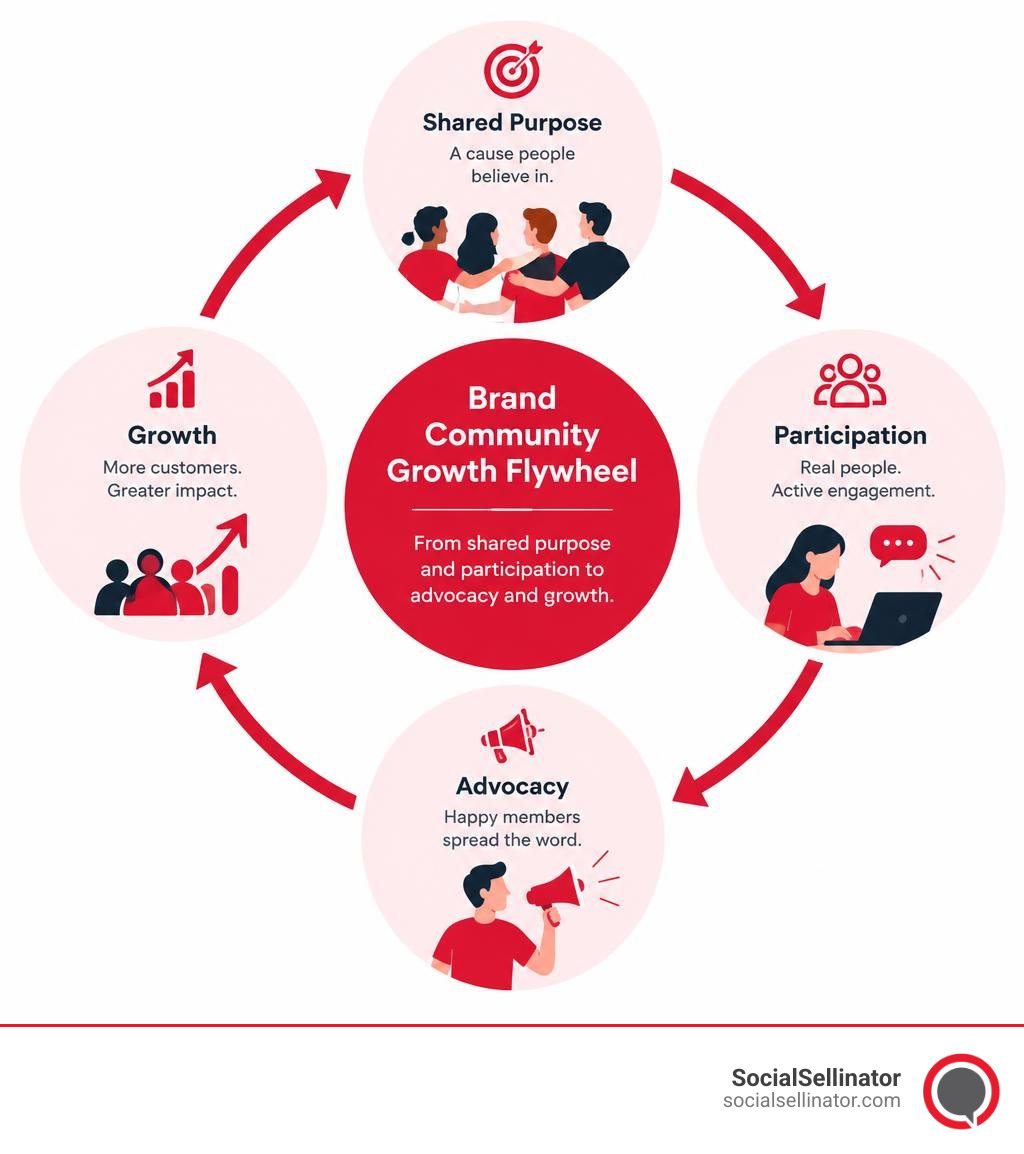
For marketing leaders and founders, the objective is never to create just another noisy broadcast feed. It is to architect a compounding, self-sustaining growth engine: belonging leads to active participation, participation cultivates vocal advocacy, and advocacy helps attract and retain high-value customers. Community-referred customers consistently cost far less to acquire than those captured through cold paid advertising, while engaged community members demonstrate significantly higher lifetime value and retention rates.
This comprehensive guide explores how to select the right platform infrastructure, establish repeatable engagement rituals, design motivating ambassador reward systems, and measure your community’s bottom-line business impact with financial rigor.
I am Jock Breitwieser, and I will help you turn everyday community activity into a high-performance, measurable growth engine for your organization.
Important build online brand community resources:
Why You Must Build Online Brand Community Spaces in 2026
In today’s digital landscape, the cost of renting customer attention through paid digital advertising channels has reached historic highs. As privacy shifts, algorithm changes, and ad platform auction dynamics drive up customer acquisition costs, companies that depend strictly on transactional paid campaigns find themselves trapped on a costly, exhausting treadmill. The moment you pause paid ad spending, traffic stops and revenue growth stalls. Cultivating an organic community transforms transactional buyers into loyal brand advocates who continually generate organic demand.
Establishing a dedicated digital environment for your buyers transforms your customer base from passive consumers into active stakeholders. An authentic brand community constructs a formidable emotional moat around your business. When customers experience a shared identity rooted in your core mission and values, their connection shifts from convenient utility to genuine emotional commitment. Industry data reveals that 66% of brand community members report being fiercely loyal to their respective brands, while 66% of organizations confirm that an active community directly boosts customer retention rates.
From a financial perspective, a community functions as an appreciating business asset. Unlike traditional advertising spend—which ceases delivering returns the moment budgets are cut—a vibrant community compounds in value, creating lasting enterprise equity over time. When your community members actively welcome newcomers, resolve common implementation bottlenecks, share creative workflows, and produce rich testimonials, your internal marketing, customer success, and support teams gain substantial operational leverage.
| Metric / Dimension | Traditional Paid Acquisition | Community-Led Growth Engine |
|---|---|---|
| Customer Acquisition Cost (CAC) | High ($60–$95+ blended average) | 40–60% below paid social ($12–$22 average) |
| Conversion Rates | 1–2% baseline cold traffic | 2–4x higher conversion rate (>4% on-site) |
| Customer Lifetime Value (LTV) | Standard baseline cohort retention | 2x or higher LTV multiples (routinely +60%) |
| Subscription Retention | Standard industry churn curve | 22–34% higher subscription retention rate |
| Creative Content Sourcing | High-cost internal/agency production | 75%+ of brand assets generated organically by users |
| Payback Period | 6–9 months on average | 1–2 months due to high initial trust and velocity |
The Economics: Compounding CAC, Retention, and LTV Multiples
The economic logic supporting community investment is powerful. When an active community member answers a prospect’s question, shares an unboxing video, or publishes an authentic case study, your blended customer acquisition costs drop significantly. Research demonstrates that community-driven referrals reduce customer acquisition costs by 40% to 60% compared to conventional paid channels.
Furthermore, community-referred buyers convert at two to four times the rate of cold leads because they arrive pre-sold through peer validation and social proof. Once onboarded, their lifetime value grows substantially: organizations with active community ecosystems experience 22% to 34% higher subscription retention, and active members routinely generate lifetime value figures exceeding standard customer cohorts by more than 60%.
Aligning this community engine with broader campaigns for building brand awareness online generates a continuous feedback loop that powers top-of-funnel brand discovery while reinforcing bottom-of-funnel customer retention. As brand affinity deepens, organic search queries and direct referral traffic steadily climb, freeing your marketing budget from over-reliance on volatile ad bidding environments.
The Three Community Models: Fans, Co-Creators, and Interest Hubs
Every organization requires a tailored community architecture that aligns with its unique product dynamics and buyer psychology. Modern digital communities typically fall into three core models:
- Communities of Fans (Brand Passion): Centered on lifestyle affinity, mission-driven goods, or passionate consumer products. Members gather around shared enthusiasm, exclusive product launches, and brand culture. These groups thrive on high-energy interactions, limited-edition merchandise drops, and direct engagement with brand executives.
- Communities of Co-Creators / Design Partners (Product Innovation): Highly impactful for B2B tech, SaaS, and specialized consumer products. Members collaborate directly with product managers, beta-test new features, provide roadmap feedback, and co-design solutions. This collaborative framework shortens product development cycles and guarantees immediate market adoption upon release.
- Communities of Interest (Category Alignment): Organized around a shared profession, lifestyle objective, or niche passion (such as endurance athletics, modern parenting, or cloud security) where your brand acts as the trusted facilitator rather than the exclusive topic of discussion. By solving category-wide operational issues, the brand establishes supreme thought leadership and domain authority.
Recognizing these models helps you effectively support diverse member archetypes across your community ecosystem:
- The Lurker: Quietly consumes discussions, reads member guides, downloads templates, and consistently completes repeat purchases inspired by peer recommendations without actively posting. Even without posting, lurkers derive massive educational value that strengthens brand loyalty.
- The Contributor: Regularly answers questions from new members, participates in weekly discussion prompts, shares constructive product reviews, and provides balanced feedback during open forum sessions.
- The Super-Advocate: Proactively creates user-generated tutorials, helps moderate discussion channels, defends the brand during industry shifts, and generates steady referral revenue through organic word-of-mouth advocacy.
Core Architecture: How to Engineer a Scalable Digital Community
Building a vibrant digital community demands intentional architectural planning before releasing public invitations. Approaching community building as a deliberate engineering initiative rather than a casual marketing experiment prevents early member churn and maintains high engagement levels over the long haul. A thoughtfully structured foundation ensures every member understands why they belong, where to contribute, and how their participation creates mutual value.
Step 1: Define Purpose and Identity to Build Online Brand Community Foundations
Before selecting community software, define your core identity anchor. Clarify the essential question: What collective belief, professional challenge, or shared passion unites these individuals, and what identity do they want to celebrate publicly?
Communities flourish when brand objectives align seamlessly with the genuine motivations of your target audience. Establishing unified branding and messaging guarantees that every member understands the community’s mission and the unique value of their participation. Segment prospective members using deep psychographic drivers—such as personal ambitions, shared industry frustrations, and career milestones—rather than relying strictly on surface-level demographic data. This clarity allows your marketing team to craft authentic community guidelines and onboarding flows that resonate on an emotional level.
Tools and Platforms to Build Online Brand Community Hubs
Select a technology platform that fits your customers’ existing habits and interaction preferences:
- Dedicated Community Platforms & Private Forums (e.g., Circle, Mighty Networks): Ideal for structured knowledge bases, organized masterclasses, searchable discussion boards, and professional networking environments.
- Real-Time Messaging Communities (e.g., Discord, Slack): Best suited for high-frequency conversations, developer groups, tech enthusiasts, and immediate peer-to-peer collaboration.
- Interactive Editorial & Newsletter Hubs (e.g., Substack): Excellent for thought leadership brands where analytical articles, deep dives, and rich comment discussions form the foundation of the relationship.
- Direct Messaging & SMS VIP Portals: Powerful for mobile-centric consumer brands seeking instant communication channels for exclusive product releases, live event updates, and priority feedback collection.
When evaluating community platforms, prioritize mobile usability, searchable archives, customizable member profiles, and direct integration with your existing CRM, digital marketing automation systems, and analytics tools. Seamless connectivity ensures your community engagement data informs your broader retention, lead scoring, and customer relationship management systems.
Designing Tiered Ambassador Systems and Economic Handshakes
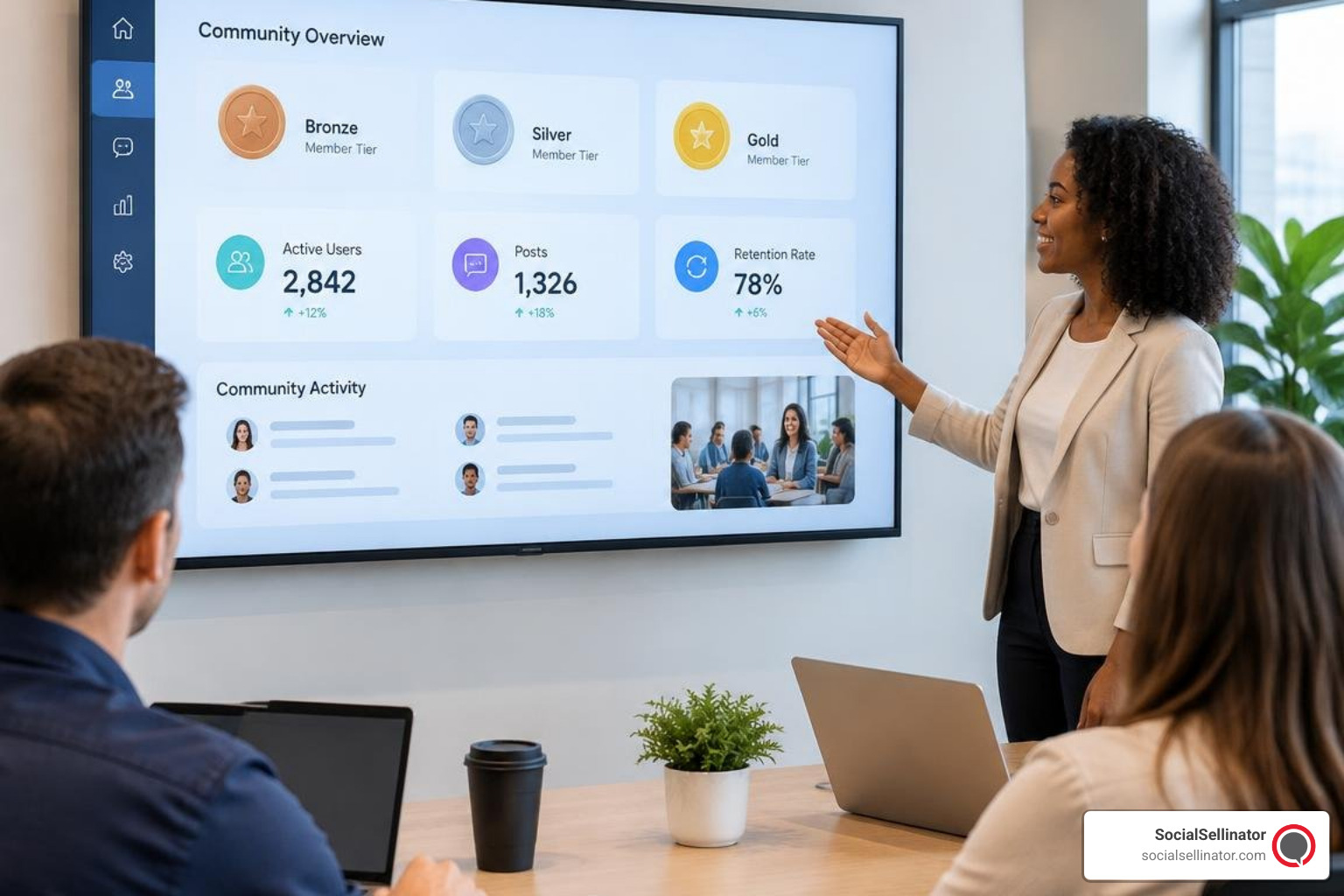
A resilient community balances authentic social connection with clear, reciprocal value exchange. Structuring a multi-tiered ambassador system allows you to recognize and reward high-value member actions without turning relationships into purely transactional reward-chasing:
- Tier 1: Community Members (Access & Connection): Open to all verified customers; provides access to general discussion channels, community onboarding webinars, product troubleshooting resources, and self-service knowledge libraries.
- Tier 2: Power Contributors (Recognition & Perks): Awarded to active contributors; unlocks custom digital badges, exclusive beta testing access, early release previews, and direct invitations to monthly product feedback roundtables.
- Tier 3: Brand Ambassadors & Champions (Co-Creation & VIP Access): Reserved for your top 1-2% super-advocates; offers direct collaboration with executive leadership, affiliate revenue sharing, co-marketing opportunities, speaking slots at virtual summits, and VIP event access.
Aligning these recognition tiers with proven B2B customer engagement strategies ensures that both enterprise partners and individual consumers receive tangible utility, social recognition, and meaningful professional access. When members clearly understand how their contributions unlock elevated status and unique experiences, engagement becomes self-reinforcing.
Execution Playbook: Engagement, Co-Creation, and Content Loops
A digital platform without structured rituals quickly turns into an inactive ghost town. To keep your community vibrant and interactive, establish predictable engagement rhythms that facilitate rich peer-to-peer discussions rather than top-down brand announcements. When members know what to expect each week, participation habits develop naturally and sustained dialogue replaces awkward silences.
Developing recurring touchpoints—such as weekly office hours, spotlight showcases, and collaborative work sessions—encourages ongoing member participation. Integrating these structured rituals makes it easy to enhance customer engagement through social media management across all public and private channels simultaneously, creating a cohesive brand experience that reinforces loyalty at every customer touchpoint.
Driving Organic Engagement and Two-Way Conversations
To stimulate daily dialogue, implement reliable community engagement formats:
- Weekly Ask-Me-Anything (AMA) Sessions: Host live, text or video AMAs featuring company founders, technical product leads, or respected industry guest speakers to tackle challenging domain questions.
- Member Milestones & Spotlights: Publicly highlight member achievements, creative workflows, or innovative use cases to provide visible social recognition and inspire fellow members.
- Monthly Collaborative Challenges: Run structured group sprints that prompt members to solve common industry problems, share workflows, and post visual evidence of their progress.
- Peer-to-Peer Problem-Solving Boards: Create dedicated spaces where members can ask for tactical feedback and receive practical advice from experienced peers who have navigated similar hurdles.
Applying proven top 10 strategies for boosting social media engagement ensures your discussion channels maintain steady momentum, while nurturing genuine social media relationships guarantees that individual contributors feel recognized, valued, and respected. Encourage your internal executive team, customer support reps, and product managers to participate casually, responding directly to comments and acknowledging creative solutions shared by members.
Turning User-Generated Content and Loyalty into Flywheel Momentum
When your community flywheel operates smoothly, over 75% of your customer-facing social proof and visual content originates directly from users. This steady stream of authentic assets reduces reliance on expensive studio creative production while boosting conversion rates across your organic and paid acquisition campaigns.
Consider how leading enterprises leverage this mechanism: major lifestyle, technology, and consumer brands blend tiered loyalty incentives, exclusive community access, and active peer review forums to drive up to 80% of total revenue through engaged community members. When you give customers a dedicated platform to share genuine reviews, styling advice, unboxing videos, and real-world results, you generate high-converting social proof that drives on-site conversion rates above 4%. This user-generated content can be cross-promoted in email campaigns, paid retargeting ads, digital marketing collateral, search engine optimization campaigns, and product landing pages to accelerate purchasing decisions across the entire customer journey.
Governance, Measurement, and Scalable Operations
Scaling an online community requires proactive governance and disciplined data instrumentation. As your membership grows, maintaining cultural standards and community safety becomes just as critical as monitoring business performance metrics. Without clear rules and consistent enforcement, high-value members quickly disengage when conversations become overwhelmed by spam or low-quality self-promotion.
Establish transparent community guidelines that clearly outline expectations for respectful communication, constructive critique, intellectual property protection, and self-promotion boundaries. Empower trusted super-users by establishing a volunteer moderation guild, providing them with clear escalation protocols, moderation toolkits, and direct communication lines to your internal community team. Regular moderator check-ins and dedicated feedback channels ensure that community guidelines adapt as conversations and member needs evolve over time.
Core Metrics: Tracking ROI, Referral Velocity, and Churn Delta
To demonstrate clear business return on investment, measure community performance as an integrated revenue engine rather than relying on superficial vanity metrics:
- Community-Attributed Customer Acquisition Cost (CAC): Calculate total community operational expenses divided by the number of new customers acquired via community member referrals and user-generated content assets.
- Cohort Lifetime Value (LTV) Lift: Measure the long-term revenue difference between active community members and non-community customers over 6, 12, and 24-month customer lifetime windows.
- Monthly Active Participation Rate: Track the percentage of registered members who actively post, reply, or react on a monthly basis (aiming for >20% in healthy, engaged communities).
- Referral Velocity & UGC Asset Yield: Quantify the volume of referral links activated and the monthly output of reusable testimonials, case studies, and visual assets generated by members.
- Payback Window Compression: Track how much faster community-acquired leads achieve positive payback compared to conventional paid advertising and search channels.
- Net Promoter Score (NPS) & Sentiment Trajectory: Systematically poll community cohorts to monitor changes in brand sentiment, identifying early warning signs before retention is impacted.
Avoiding Critical Community Pitfalls
When community initiatives stumble, it is usually due to avoidable strategic mistakes:
- Treating a Community as a One-Way Broadcast Channel: Flooding channels with corporate marketing updates and sales pitches instead of encouraging member-to-member dialogue.
- Over-Automating Community Interactions: Relying on impersonal chatbots and automated replies that destroy authentic human connection and emotional trust.
- Viewing Community as an Unmeasured Cost Center: Failing to connect community engagement metrics to concrete pipeline revenue, retention gains, and customer acquisition savings.
- Premature Scaling: Driving thousands of cold prospects into an unstructured space before establishing core cultural norms, community guidelines, and active moderation routines.
- Failing to Close Feedback Loops: Soliciting user ideas, bug reports, or feature requests without communicating back what actions the brand took based on member input.
Frequently Asked Questions about Building a Brand Community
What is the difference between a social media audience and a brand community?
A social media audience is a one-to-many broadcast relationship where a brand publishes content to individual consumers who consume it in isolation. In contrast, an online brand community is a dynamic many-to-many network where members build relationships, answer each other’s questions, and collaborate directly, connected by shared values, professional goals, and mutual identity. While an audience passively receives marketing messages, a community actively creates discussions and drives peer-to-peer engagement.
How long does it take to see measurable ROI from a brand community?
Early qualitative advantages—such as direct customer feedback, faster user testing, and organic content creation—typically appear within the first 60 to 90 days. Compounding financial returns, including substantial customer acquisition cost reductions, accelerated referral loops, and meaningful churn reduction, usually become evident within 12 to 18 months as your community flywheel achieves critical mass and members actively recruit peers.
How do loyalty programs integrate with online brand communities?
Traditional loyalty programs focus primarily on transactional rewards like points and discounts. When integrated into an online brand community, loyalty programs transform into status-driven reward structures that recognize active participation, helpful peer advice, and original content creation with exclusive perks, product roadmap input, and VIP experiential access. This integration ensures that customers are rewarded for fostering community connections rather than just completing isolated purchases.
What are the best methods to seed initial community discussions?
To seed early activity, personally invite a curated founding cohort of 20 to 50 passionate power users. Assign community facilitators to introduce newcomers, ask open-ended questions related to urgent industry challenges, and promptly acknowledge every single contribution. Prompt responses from brand team members in the early stages establish a supportive culture that encourages newcomers to share openly.
Conclusion
Building an online brand community transforms your customer base from passive buyers into an active engine for sustainable, long-term growth. By designing clear participation architecture, empowering passionate brand ambassadors, and measuring concrete financial returns, your brand can build deep customer loyalty that paid advertising alone cannot replicate.
At SocialSellinator, our comprehensive approach to digital marketing combines data-driven SEO, performance PPC, and dedicated social media management services to help your business build, nurture, and scale high-impact digital communities. Get in touch with our team today to elevate your customer engagement and achieve measurable growth.
Headquartered in San Jose, in the heart of Silicon Valley and the San Francisco Bay Area, SocialSellinator proudly provides top-tier digital marketing, SEO, PPC, social media management, and content creation services to B2B and B2C SMB companies. While serving businesses across the U.S., SocialSellinator specializes in supporting clients in key cities, including Austin, Boston, Charlotte, Chicago, Dallas, Denver, Kansas City, Los Angeles, New York, Portland, San Diego, San Francisco, and Washington, D.C.
- About the Author
- Latest Posts

Jock Breitwieser is a marketing thought leader, founder of SocialSellinator, Arcserve VP and has 20+ years’ experience in digital marketing & PR. He’s led communications at TriNet (IPO), Dell SonicWALL, CallidusCloud, and top agencies like (Edelman, Havas, Hoffman).
Named a Top 100 Social Selling Influencer, Jock contributes to outlets like Grit Daily, Marketer Magazine, DevX, Euro News, Hootsuite, Morning Lazziness, BacklinkBuilding.io, Under30CEO, and many others. Jock drives $1M+ client revenue outcomes, mentors startups, and lectures at SJSU and UC Berkeley Extension.


