
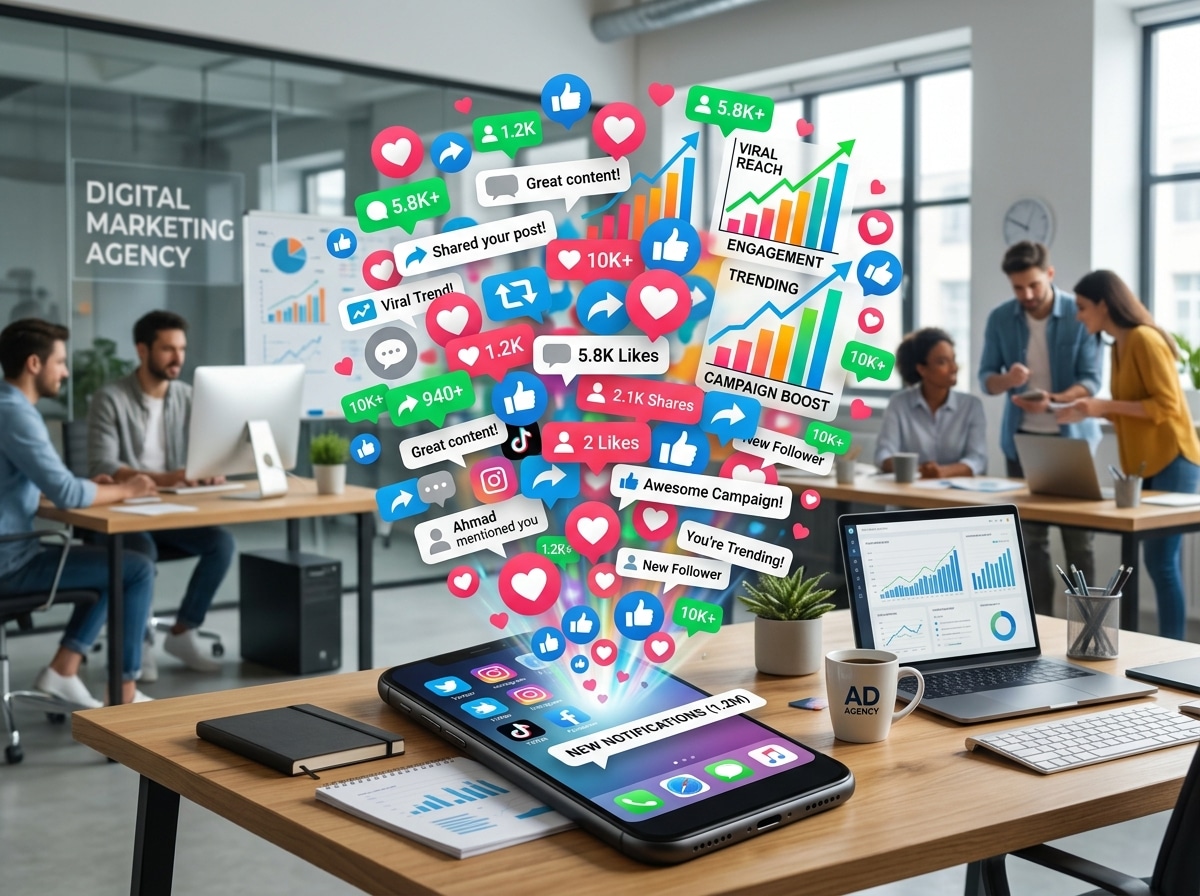
What Does ‘MKT Viral’ Truly Mean, and How Does it Manifest in Unexpected Ways?
Alt text: A conceptual representation of mkt viral content spreading rapidly across digital networks and social media platforms. Metadata: viralmarketingheader.jpg
The phenomenon of mkt viral content has transformed the way we perceive communication, commerce, and community in the digital age. At its core, the term ‘MKT’ can be a source of both strategic brilliance and consumer confusion. In the culinary world, ‘MKT’ is a standard shorthand for “market price,” a designation used for high-end items like fresh-caught seafood or premium cuts of steak whose costs fluctuate based on daily supply and demand. However, in the professional sphere of growth and visibility, we use it to describe the explosive nature of viral marketing. This refers to the process where a piece of content, a brand message, or a specific campaign achieves a level of organic reach that mimics the spread of a biological virus—moving from person to person at an exponential rate. This guide explores how businesses can navigate these definitions and leverage the power of rapid dissemination to achieve their goals.
Understanding the mechanics of virality requires looking beyond the surface-level metrics of likes and shares. It involves a deep dive into how information is processed and passed along in a hyper-connected society. When a campaign goes viral, it isn’t just being seen; it is being adopted by the audience as a piece of their own social currency. This transition from brand-led messaging to consumer-led advocacy is the hallmark of a successful viral strategy. For businesses, this means moving away from traditional “push” marketing and toward creating “pull” experiences that invite participation. Whether it is a clever video, a relatable meme, or a disruptive service model, the goal is to create something so compelling that the audience feels an inherent need to share it with their own networks. This organic momentum is what defines the modern digital landscape, where a single post can reach millions without a massive initial ad spend.
Historically, the concept of virality predates the internet, rooted in word-of-mouth marketing and the “tipping point” theory. In the past, a recommendation from a friend was the most powerful form of advertising. Today, social media platforms have amplified this effect by a factor of thousands. A digital recommendation—a share, a retweet, or a stitch—carries the same weight of trust but travels at the speed of light. For a brand to achieve this, it must understand the cultural zeitgeist and the specific needs of its target demographic. It isn’t enough to be loud; you must be relevant. This relevance is what transforms a standard marketing effort into a viral sensation. By focusing on the intersection of human emotion and digital connectivity, SocialSellinator helps brands navigate this complex terrain, ensuring that their message doesn’t just land, but resonates and spreads.
How Did the Viral TikTok Video About ‘MKT’ Menu Confusion Expose Common Consumer Pitfalls?
A fascinating intersection of these two meanings occurred recently when a TikTok video went viral, documenting a significant misunderstanding of the ‘MKT’ abbreviation on a restaurant menu. Three sisters dining in North Carolina found themselves at the center of a digital firestorm after receiving a bill for $159.14. The culprit? They had ordered New York strip steaks listed as ‘MKT’ on the menu, assuming the price would be a standard $25 per plate. In reality, the market price that day was $52 per steak. This incident, which quickly amassed over a million views, serves as a perfect case study in how everyday experiences can become viral moments while highlighting the critical need for transparency in business.
The comments section of the video became a breeding ground for discussions on consumer assumptions, customer rights, and the etiquette of dining out. This unexpected virality underscored a fundamental truth: relatability is the engine of the internet. People shared the video not just because of the shock value of the bill, but because they could see themselves in that situation—the awkwardness of not asking for the price and the subsequent sticker shock. For businesses, the lesson is clear: clarity is the best defense against negative virality. By being transparent about pricing, terms, and conditions, companies can build trust and avoid becoming the subject of a cautionary viral tale. Managing a brand’s reputation in the face of such moments requires a proactive approach to communication and a commitment to customer education.
How Can Automation and Strategic Tools Drive Viral Marketing Campaigns?
In the modern digital landscape, achieving viral success is rarely a matter of pure luck. It is the result of a calculated synergy between creative content and the technological infrastructure used to distribute it. Automation and strategic tools have become the backbone of any scalable viral effort, allowing brands to amplify their message far beyond what manual efforts could ever achieve. By utilizing sophisticated software to handle the repetitive aspects of content management, businesses can ensure their most impactful ideas are delivered to the right people at the precise moment they are most likely to engage and share. This technological layer acts as the engine that powers the creative spark, ensuring that when a moment of potential virality occurs, the brand is ready to capitalize on it instantly.
How Does Marketing Automation Support Efficient Content Distribution and Management for Viral Campaigns?
Marketing automation acts as a force multiplier for viral campaigns. When a piece of content begins to gain traction, the window of opportunity to capitalize on that momentum is often very small. Automation allows us to respond instantly, scheduling follow-up content, cross-posting to different time zones, and ensuring that the brand remains at the center of the conversation. Imagine a scenario where a short-form video starts trending on TikTok. An automated system can immediately trigger the distribution of related snippets to other video platforms, while simultaneously updating social feeds with relevant links and calls to action. This multi-channel approach ensures that the ‘mkt viral’ effect is not confined to a single platform but spreads across the entire digital ecosystem.
Furthermore, automation reduces the administrative burden on creative teams. Instead of spending hours manually uploading files and tagging posts, marketers can focus on high-level strategy and community interaction. Digital marketing and social media management services are specifically designed to integrate these automated workflows, providing a seamless path from content creation to global reach. By optimizing the technical side of distribution, we allow the creative side to flourish. This involves setting up complex triggers that respond to user behavior, such as sending a personalized message when a user shares a post or automatically highlighting the most popular comments to drive further engagement. The goal is to create a self-sustaining loop of activity that keeps the content visible for as long as possible.
What Are Key Automation Capabilities for Multichannel Marketing on Platforms Like Facebook, TikTok, and YouTube?
To truly master the art of virality, a business must be proficient across multiple platforms. Each social network has its own unique algorithm and audience behavior, and automation tools must be flexible enough to adapt to these differences. Key capabilities that drive success in multichannel marketing include:
- Intelligent Content Scheduling: This goes beyond simple timers. Modern tools analyze historical data to determine when your specific audience is most active, ensuring your posts go live during peak engagement windows. This precision is vital for catching the initial wave of interest that leads to a viral breakout.
- Dynamic Content Repurposing: Tools that can automatically resize videos, adjust aspect ratios, and even add platform-specific captions or stickers make it easy to maintain a consistent presence across various video and image-sharing sites. This ensures the brand looks native to every platform it inhabits.
- Automated Engagement Loops: Features that automatically like or respond to comments containing specific keywords can help boost a post’s visibility in the algorithm, as high engagement signals to the platform that the content is valuable and should be shown to more people.
- Centralized Multi-Account Management: For businesses managing multiple brands or regional offices, the ability to control all social media activity from a single dashboard is essential for maintaining brand voice and responding to trends in real-time.
- Real-Time Performance Analytics: Automated reporting provides instant feedback on which pieces of content are performing best, allowing for quick pivots and the reallocation of resources to the most promising campaigns. This data-driven approach removes the guesswork from viral marketing.
By leveraging these tools, businesses can significantly lower their cost-per-acquisition while increasing their overall brand awareness. This strategic use of technology is what separates a one-hit wonder from a brand that consistently achieves viral growth. SocialSellinator specializes in implementing these advanced systems, allowing our clients to focus on their core business while we handle the complexities of digital distribution.
How Can Businesses Leverage Automation for Effective Social Media Group Management?
Social media groups represent some of the most engaged communities on the internet. Whether it is a group for enthusiasts or a professional network, these spaces are ideal for fostering the kind of deep connection that leads to viral advocacy. However, managing these groups at scale can be incredibly time-consuming. Automation helps by streamlining member onboarding, moderating content at scale, and prompting discussion through scheduled polls and questions. AI-driven tools can flag inappropriate content or spam, ensuring the group remains a safe and productive environment for genuine discussion. This community-focused approach, combined with expert Facebook Ads management, creates a holistic funnel that moves users from broad awareness to tight-knit community membership, providing a fertile ground for viral messages to take root.
What Core Strategies and Psychological Triggers Fuel MKT Viral Success?
Viral marketing is as much a science as it is an art. It relies on a deep understanding of human psychology and the specific triggers that compel individuals to take action. When we analyze the most successful ‘mkt viral’ campaigns in history, we see a recurring pattern of strategies that tap into our innate desires for connection, status, and emotional expression. By combining these psychological insights with modern content formats, brands can create a powerful recipe for explosive growth. The key is to understand not just what people share, but why they share it. This psychological foundation is what allows a message to transcend its original context and become a cultural phenomenon.
What Key Strategies from Viral Marketing Trends Can Amplify MKT Campaigns?
- The Power of User-Generated Content (UGC): UGC is perhaps the most potent tool in the viral marketer’s arsenal. It shifts the narrative from “the brand says we are great” to “real people say this is great.” This authenticity is invaluable in an era of skepticism. When a brand gives people a reason to create their own content—whether through a challenge, a personalized product, or a unique experience—they turn every customer into a brand ambassador. This leads to millions of organic impressions that feel more like a recommendation from a friend than a traditional advertisement.
- Short-Form Video Dominance: The rise of platforms like TikTok and Instagram Reels has fundamentally changed the way we consume information. These platforms are built for speed and high-impact visuals. Recent industry reports indicate that nearly one in three consumers now bypass traditional search engines, starting their discovery journey on social video platforms instead. For younger demographics, this number is even higher. This shift means that if your brand isn’t producing snackable, high-energy video content, you are missing out on the primary discovery channel for the next generation of consumers. These videos must be designed to grab attention in the first three seconds and provide a clear reason to keep watching.
- Cultural Hijacking and Meme Marketing: Memes are the universal language of the internet. They are highly relatable, easy to consume, and inherently shareable. When a brand successfully taps into a trending meme or cultural moment, they demonstrate that they are “in on the joke.” This humanizes the brand and makes it much more likely to be shared within social circles. The key is speed and tone; a brand must be able to react to a trend within hours, not days, and must do so in a way that feels authentic rather than forced. This requires a social media management team that is deeply embedded in internet culture.
What Psychological Triggers and Emotional Elements Make Content Go Viral, as Seen in Successful MKT Examples?
To make content go viral, you must trigger a physical or emotional response in the viewer. Some of the most effective triggers include:
- High-Arousal Emotions: Content that makes people feel awe, excitement, or even righteous indignation is shared much more frequently than content that evokes low-arousal emotions like sadness or contentment. A campaign that challenges the status quo or showcases something truly extraordinary is far more likely to spread. The goal is to move the viewer from a state of passive consumption to active engagement.
- Social Currency: People share things that make them look good to their peers. Whether it is showing off their intelligence, their humor, or their status, content that provides social currency is highly viral. This is why “insider” information, exclusive looks, or early access to products often spread so quickly. If sharing your content makes the user look like an expert or a trendsetter, they will do it gladly.
- The Power of Storytelling: Humans are hardwired to respond to stories. A well-told narrative that follows a protagonist through a struggle to a resolution is much more memorable than a list of product features. A brand story that resonates with the audience’s own values and experiences creates a deep emotional bond that encourages sharing. This narrative approach is central to the innovative social media campaigns we develop for our clients.
- Practical Value: Content that is genuinely helpful—like a life hack, a recipe, or a financial tip—is often shared because people want to help their friends and family. This “altruistic sharing” is a powerful driver of long-term virality. If your content solves a common problem, it becomes a tool that people want to pass along.
By understanding these triggers, we help our clients craft campaigns that don’t just sit on a page but move through the digital world with purpose. These platforms are designed with virality in their DNA, using interest-based algorithms that level the playing field for businesses of all sizes. Whether through social media event promotion or daily content creation, the focus remains on triggering the right psychological response to drive organic growth.
How Do Leading Brands Achieve and Measure MKT Viral Impact?
While the initial surge of views and likes is gratifying, true viral success is measured by its impact on the bottom line. Leading brands approach virality with a clear set of objectives and a robust framework for measuring ROI. They understand that a million views are worthless if they don’t lead to brand affinity, customer acquisition, or increased revenue. This section examines how top-tier companies plan for and quantify the results of their viral efforts, moving beyond vanity metrics to focus on real business outcomes. A successful campaign is one that aligns with the brand’s long-term goals and provides a measurable return on the investment of time and creativity.
What Are Real-World Case Studies of Brands Using MKT-Style Viral Tactics, Like Duolingo or Dropbox?
Success in the viral space often comes from thinking outside the traditional marketing box. Here are three distinct examples of how brands have achieved massive growth through viral tactics:
- Duolingo’s Unfiltered Presence: Duolingo has become a case study in modern brand voice. By allowing their mascot to participate in chaotic trends and playfully interact with users, they have created a persona that people genuinely enjoy following. This authentic, humor-first approach has turned a functional learning app into a cultural icon, proving that even “boring” industries can go viral with the right creative courage. Their success is rooted in a deep understanding of platform-specific humor and a willingness to take risks that traditional corporate structures might avoid.
- Dropbox’s Viral Growth Loop: Dropbox is the gold standard for referral-based virality. Instead of spending millions on traditional ads, they offered users extra storage space for every friend they referred. This created a two-sided incentive where both the sender and the receiver benefited. The result was a staggering increase in their user base over a very short period. This demonstrates the power of building virality directly into the product experience, making the act of sharing a natural part of using the service.
- Old Spice’s Digital Transformation: This campaign was a masterclass in multi-platform engagement. After an initial commercial went viral, the brand filmed hundreds of personalized video responses to fans on social media. This level of direct interaction fueled the fire, leading to a massive increase in sales and cementing the brand’s place in the digital hall of fame. It showed that virality isn’t just about the initial post, but about how the brand sustains the conversation afterward.
These examples show that whether through humor, incentives, or interaction, the key is to provide value that people want to share. For more examples of successful social media campaigns, one must look at how these brands integrated their viral moments into a larger marketing strategy.
How Can Businesses Measure ROI from MKT Viral Campaigns Beyond Views?
To move beyond vanity metrics, businesses must track data that correlates with their actual goals. At SocialSellinator, we focus on several key performance indicators (KPIs) to determine the true health of a viral campaign:
- The Viral Coefficient: This is the number of new users generated by each existing user. A coefficient greater than 1 indicates exponential growth, where each new customer brings in more than one additional customer. This is the holy grail of viral marketing.
- Conversion Rate Attribution: Using advanced tracking and analytics, we can see exactly how many people who viewed a viral video eventually made a purchase, signed up for a newsletter, or downloaded an app. This connects the viral moment directly to revenue.
- Brand Sentiment Analysis: We use social listening tools to monitor the conversation around a viral moment. Is the feedback positive? Are people defending the brand? This qualitative data is crucial for long-term brand health and helps identify potential PR risks before they escalate.
- Customer Acquisition Cost (CAC) Reduction: A successful viral campaign should significantly lower your overall CAC by providing a massive influx of “free” organic traffic. By comparing the cost of the campaign to the number of new customers acquired, we can determine its true efficiency.
 Alt text: A detailed marketing analytics dashboard showing ROI for mkt viral campaigns, including engagement and conversion metrics.
Metadata: viralroidashboard.png
By setting these benchmarks before a campaign launches, we can ensure that every share is working toward a larger business objective. Our SEO services also play a role here, ensuring that the surge in brand searches triggered by a viral moment leads users to a high-performing, optimized website that is ready to convert that interest into action.
What Are the Risks and Future Trends Shaping MKT Viral Marketing?
As we look toward the future, the landscape of viral marketing is becoming increasingly complex. While the potential rewards are higher than ever, so are the risks. Brands must navigate a digital world where consumer sentiment can shift in an instant and where new technologies like AI and AR are constantly rewriting the rules of engagement. Success in 2026 and beyond will require a balance of creative risk-taking and strategic caution. The brands that thrive will be those that can adapt to new platforms while maintaining a consistent and authentic brand voice. This requires a forward-thinking approach to content creation and a deep understanding of emerging digital trends.
What Risks and Challenges Come with Chasing Viral MKT Trends, Such as Unpredictability or Negative Backlash?
The pursuit of virality is not without its dangers. One of the biggest risks is the “try-hard” effect, where a brand’s attempt to be trendy comes across as inauthentic or cringeworthy. This can lead to a negative viral moment that is much harder to recover from than a simple failed campaign. Additionally, the speed of the internet means that a misunderstood joke or a tone-deaf post can be seen by millions before the brand has a chance to delete it. Recent surveys show that a large portion of consumers are concerned about undisclosed AI content and are uncomfortable with brands using AI influencers without transparency. This highlights a growing demand for human connection. Brands must ensure that their viral efforts align with their core values and don’t sacrifice long-term trust for short-term attention. A single misstep can erase years of brand-building, making reputation management a critical component of any viral strategy.
What Future Trends in AI, AR, and Short-Form Content Will Shape MKT Viral Marketing in 2026?
The next few years will see a massive integration of emerging technologies into the viral marketing toolkit:
- AI-Enhanced Personalization: AI will allow brands to create thousands of variations of a single campaign, each tailored to the specific interests and behaviors of individual users. This “hyper-personalization” will make content feel more relevant and shareable than ever before, as users see messages that feel specifically designed for them.
- Immersive AR Experiences: Augmented Reality will move beyond simple face filters. We will see viral campaigns that allow users to place virtual products in their homes or participate in interactive, location-based games that bridge the gap between the digital and physical worlds. These immersive experiences create a high level of engagement and are inherently shareable.
- The Evolution of the Creator Economy: The line between “influencer” and “brand” will continue to blur. We will see more brands co-creating content with their fans, turning the audience into a central part of the creative process. This collaborative approach builds a deeper sense of community and increases the likelihood of organic spread.
Alt text: A team discussing future trends in mkt viral strategies and AI integration in a modern office setting. Metadata: futuremarketingtrends.jpg
How to Create a Content Calendar and GTM Strategy Optimized for MKT Viral Growth?
A successful Go-To-Market (GTM) strategy for viral growth requires a mix of planned content and reactive agility. Your content calendar should include “pillar” content—high-quality, high-production value pieces—as well as “reactive” slots that allow you to jump on trending topics as they happen. This approach ensures that you are consistently providing value while remaining relevant to the current cultural conversation. Our content marketing services help businesses build these robust frameworks, ensuring that every post is a step toward viral success. This involves not just planning what to post, but also how to promote it through PPC and other paid channels to give it the initial push it needs to go viral.
What Role Do Influencers, UGC, and Referral Programs Play in Scaling MKT Viral Efforts?
Scaling a viral effort requires a multi-pronged approach. Influencers provide the initial spark, reaching audiences that the brand might not have access to. UGC provides the social proof that encourages others to join in, creating a sense of authenticity that brand-led content often lacks. Referral programs provide the structural incentive that keeps the momentum going, rewarding users for spreading the word. When these three elements work together, they create a self-sustaining growth engine. For professional networks, LinkedIn lead generation services can help identify the right partners to kickstart this process, ensuring that the viral message reaches the most influential people in a specific industry. By combining these strategies, a brand can move from a single viral moment to a sustained period of exponential growth.
Frequently Asked Questions About MKT Viral Marketing
What is the difference between traditional marketing and viral marketing?
Traditional marketing is often a “one-to-many” approach, where a brand pays to place a message in front of an audience, such as a billboard or a TV ad. It is controlled, predictable, and usually requires a significant budget. Viral marketing is a “many-to-many” approach. It relies on the audience to distribute the message. While it can be much more cost-effective, it is also less predictable and requires a higher level of creative engagement to succeed. Traditional marketing pushes a message out, while viral marketing creates a message that people want to pull into their own social circles.
How long does a viral campaign typically last?
The lifecycle of a viral moment is usually short, often peaking within 48 to 72 hours. However, the “long-tail” effects can last for months or even years. A successful campaign can lead to a permanent increase in brand search volume, a larger social media following, and improved organic visibility. The key is to have a plan for how to capture and nurture the new audience once the initial viral surge begins to fade. This might involve follow-up content, email marketing, or targeted retargeting ads.
Can small businesses effectively use MKT viral strategies?
Yes, and in many ways, small businesses are better positioned for virality than large corporations. They are often more agile, more willing to take creative risks, and have a more authentic voice. Because viral marketing depends on the quality of the idea rather than the size of the budget, a clever small business can achieve the same level of reach as a global giant. By focusing on their local community or a specific niche, small businesses can create highly targeted viral moments that drive significant growth without the need for a massive advertising department.
Is it possible to “force” a campaign to go viral?
While you cannot guarantee virality, you can certainly optimize for it. By using the right psychological triggers, choosing the right platforms, and utilizing automation to amplify the message, you can significantly increase the mathematical probability of a campaign going viral. However, the “spark” must always be a genuine connection with the audience. If the content doesn’t resonate on a human level, no amount of technology or budget will make it viral. Virality is a partnership between the brand’s creativity and the audience’s willingness to share.
Conclusion
Harnessing the power of “mkt viral” is no longer a stroke of luck but a strategic imperative for modern businesses. From understanding the nuances of how content spreads to leveraging strategic automation for efficient campaigns, and from crafting emotionally resonant campaigns to meticulously measuring their impact, the path to viral success is multifaceted. While the allure of instant virality is strong, sustainable growth comes from a well-planned, authentic, and adaptable approach. By integrating these strategies, businesses can transform fleeting attention into lasting brand loyalty and measurable ROI. SocialSellinator is committed to helping brands navigate this journey, providing the expertise and tools needed to achieve explosive growth in an ever-changing digital world.
Headquartered in San Jose, in the heart of Silicon Valley and the San Francisco Bay Area, SocialSellinator proudly provides top-tier digital marketing, SEO, PPC, social media management, and content creation services to B2B and B2C SMB companies. While serving businesses across the U.S., SocialSellinator specializes in supporting clients in key cities, including Austin, Boston, Charlotte, Chicago, Dallas, Denver, Kansas City, Los Angeles, New York, Portland, San Diego, San Francisco, and Washington, D.C.