
Build a Comprehensive Digital Marketing Strategy That Drives Growth
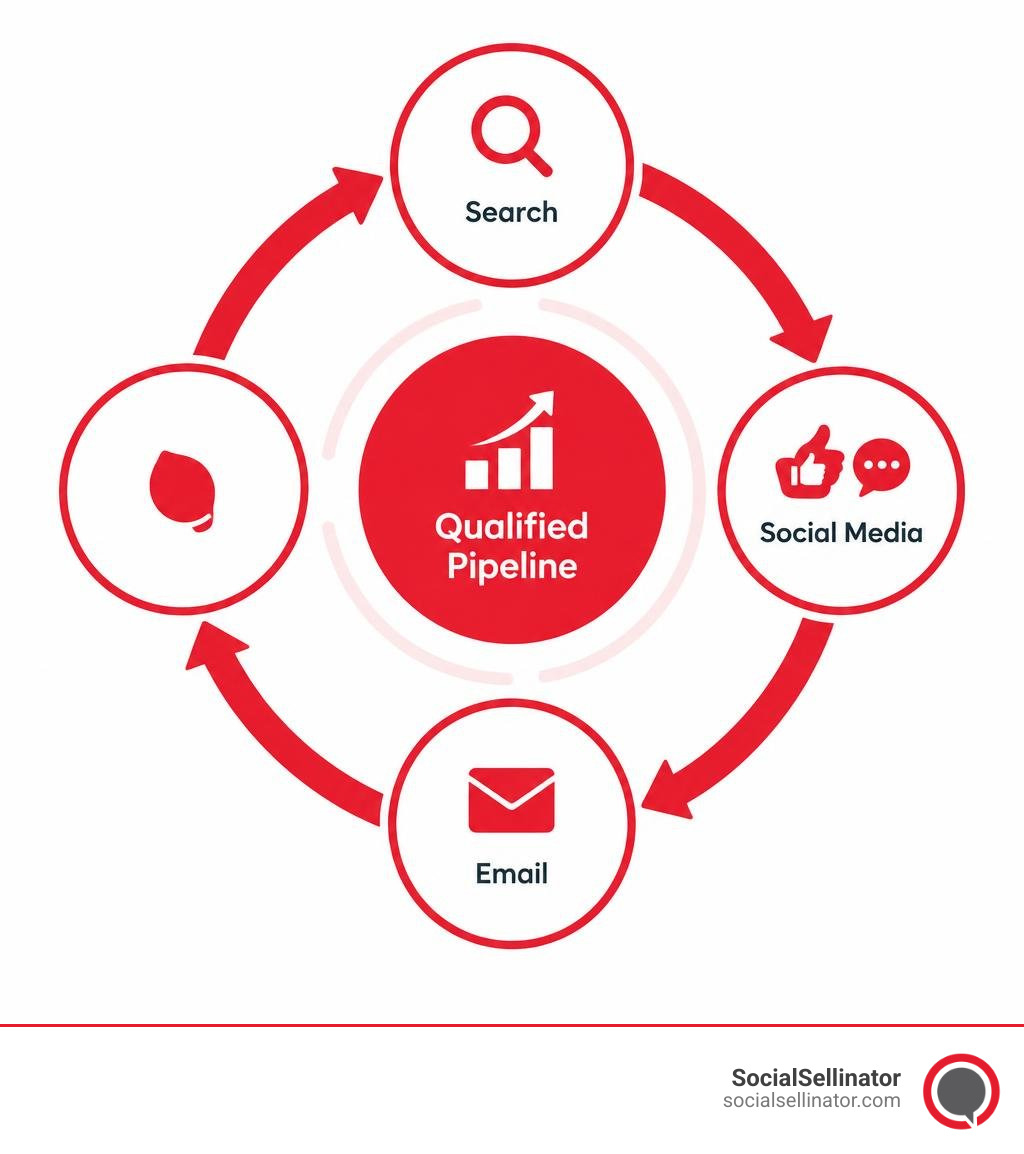
Comprehensive digital marketing starts with a business goal, not a channel list. Define the buyers you need to reach, map the questions they ask before a purchase, and choose the mix of search, content, paid ads, social media, and email that helps answer those questions. Then track which efforts create qualified opportunities and revenue.
For B2B teams, that means looking beyond traffic and rankings. Your strategy should help buyers find you in search and AI-generated answers, trust what they learn, and take the next step.
I’m Jock Breitwieser, and this guide will help you build that plan and measure whether it’s working. Whether you partner with a Facebook ads agency, build internal capabilities for digital marketing on Facebook, or collaborate with an experienced Facebook advertising consultant, integrating every channel into a unified plan ensures your marketing drives real pipeline.
Key Takeaways
- Digital marketing connects businesses with prospective buyers across search, social, paid advertising, and messaging channels.
- Organic and paid search drive the vast majority of commercial discovery and website traffic across modern digital buyer journeys.
- Strategic content marketing and thought leadership establish enduring brand authority and answer critical evaluation questions.
- A balanced multichannel approach combining paid immediacy and organic compounding drives predictable, revenue-focused pipeline.
Table of Contents
- What Is Comprehensive Digital Marketing and How Does It Drive Growth?
- What Are the Core Channels of a High-Impact Marketing Strategy?
- How Do B2B and B2C Digital Strategies Differ Across the Funnel?
- How Do You Build and Measure an Actionable Marketing Roadmap?
- What Trends and Regulations Are Shaping the Future of Marketing?
- Frequently Asked Questions About Digital Marketing Strategy
- Conclusion
What Is Comprehensive Digital Marketing and How Does It Drive Growth?
Comprehensive digital marketing is the strategic integration of digital media, data, and technology to attract target audiences, establish brand authority, and convert interest into measurable pipeline. Rather than treating channels as disconnected silos, a cohesive framework aligns search engines, social media platforms, websites, and direct messaging to support buyers across their entire lifecycle. According to the American Marketing Association’s digital marketing definition, modern digital marketing encompasses all promotional efforts conducted through electronic devices and online technologies to create dynamic, two-way engagement with prospective clients.
To scale reliably, organizations must move past disconnected marketing activities. For deeper context on core principles, explore understanding what digital marketing entails. When executed properly, digital marketing bridges the gap between top-of-funnel awareness and bottom-of-funnel conversions, turning casual online visitors into engaged sales conversations.
Digital vs. Traditional and Online Marketing Channels
Traditional marketing relies on static, one-way outbound broadcast formats such as billboards, television ads, radio commercials, and print magazines. While traditional approaches offer broad reach, they provide minimal targeting precision, carry high entry costs, and lack granular performance measurement.

By contrast, digital marketing encompasses any channel utilizing electronic technology—including offline digital assets such as connected TV, electronic billboards, and SMS—while online marketing specifically refers to web-connected channels like organic search, paid display, email, and social networks. Digital channels deliver bi-directional communication, precise audience segmentation, dynamic adaptability, and real-time tracking. Understanding the importance of digital marketing for business success allows modern brands to eliminate ad waste and deploy resources where prospective buyers actively research solutions.
Owned, Paid, and Earned Media in Comprehensive Digital Marketing
A robust strategy unifies three core media pillars into an integrated growth engine:
- Owned Media: Digital assets your business directly controls, including your primary website, content hubs, original research reports, case studies, and email subscriber lists. Owned media forms the foundation of your topical authority and long-term search presence.
- Paid Media: Targeted advertising channels where you invest capital for immediate exposure, including search ads, programmatic display campaigns, sponsored social placements, and affiliate partnerships.
- Earned Media: Organic brand credibility generated through third-party recognition, including press mentions, guest articles, influencer endorsements, organic social shares, and authoritative backlinks.
When these three components operate in harmony, paid campaigns amplify owned content, while earned media builds the authority that accelerates organic rankings.
What Are the Core Channels of a High-Impact Marketing Strategy?
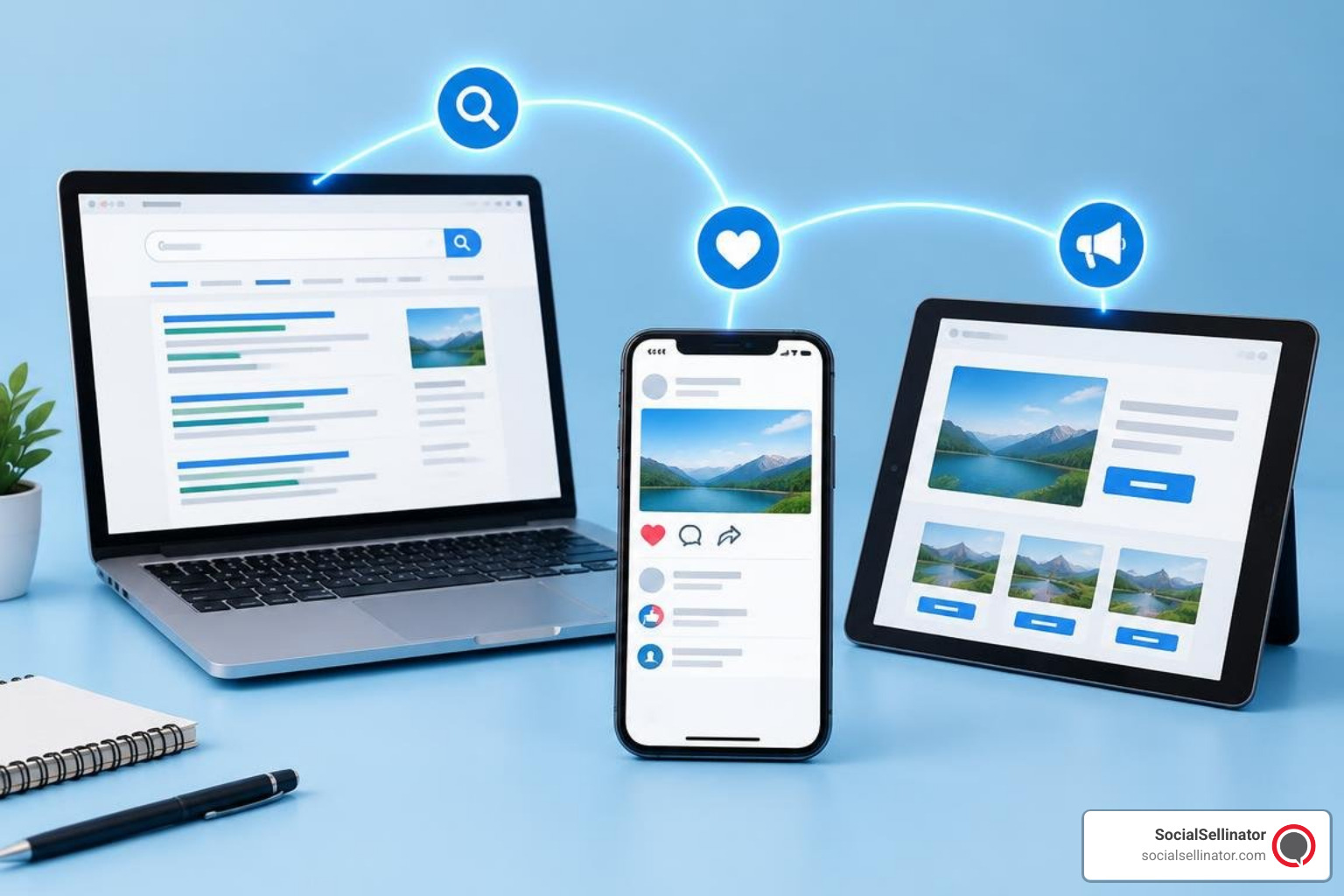
An effective digital marketing ecosystem blends search discovery, value-driven content, targeted advertising, and direct communication channels. Instead of attempting to maintain a thin presence on every platform, successful teams prioritize the exact touchpoints where their ideal buyers spend their evaluation time. Insights highlighted in the Forbes Advisor guide to modern marketing strategies demonstrate that high-performing organizations align channel selection directly with user intent and verified purchase behaviors.
Search Engine Optimization and Search Engine Marketing
Search represents the primary starting point for commercial discovery. According to BrightEdge’s 2020 search analysis cited in Semrush digital marketing channel benchmarks, organic and paid search drive 68% of all trackable website experiences.
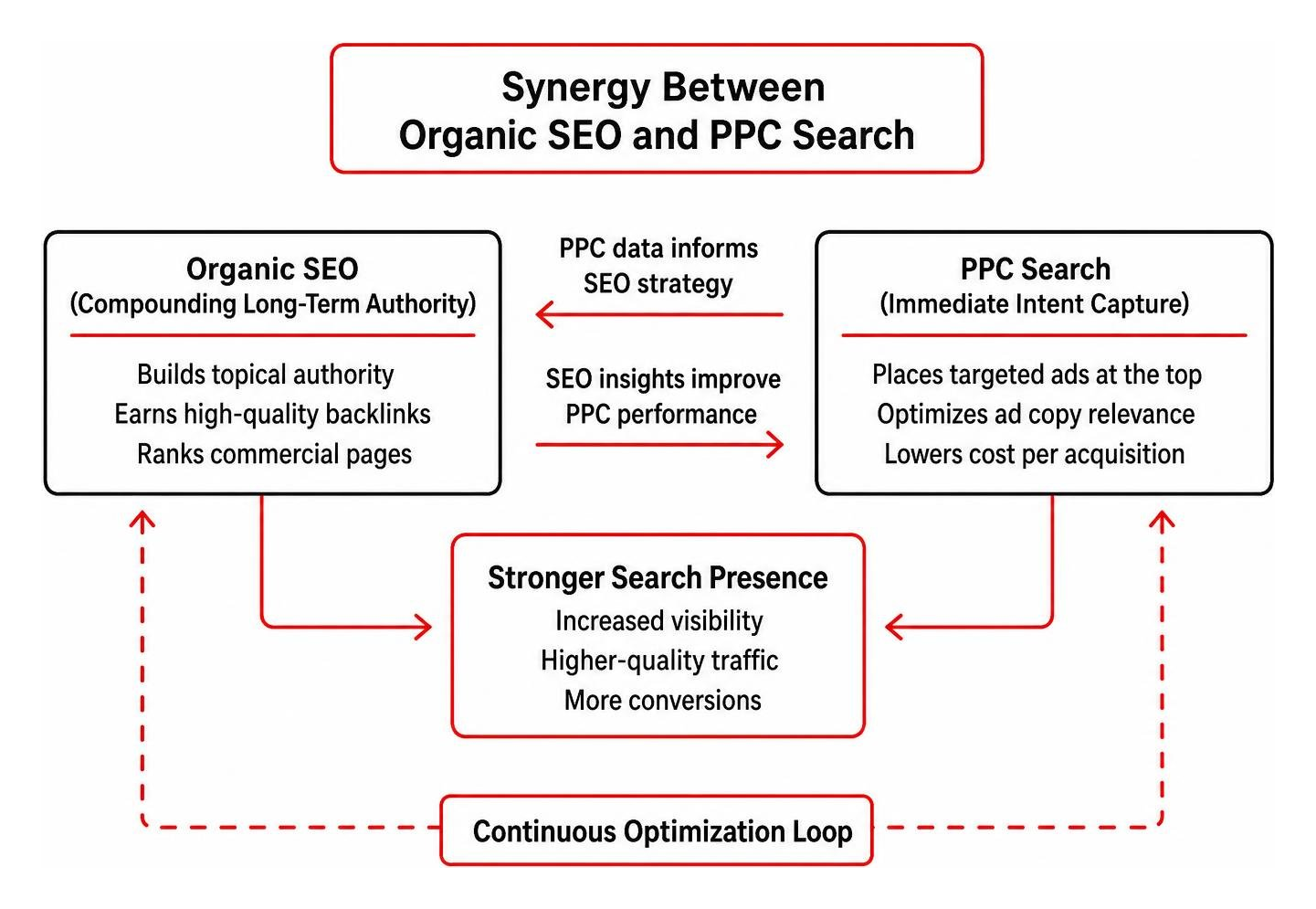
Deploying proven digital marketing strategies requires balancing search engine optimization (SEO) and search engine marketing (SEM):
- Technical and On-Page SEO: Modern search engines reward sites that combine flawless technical crawlability, mobile responsiveness, fast load speeds, and comprehensive, intent-focused answers. Earning high-quality backlinks reinforces your site’s domain authority, ensuring your commercial pages rank when prospective clients evaluate options.
- Pay-Per-Click (PPC) Advertising: Paid search captures active demand by placing targeted ads at the top of search engine result pages. Optimizing ad copy relevance and landing page experience improves Quality Scores, directly lowering your cost per acquisition.
Content Marketing, Social Media, and Digital PR
Content is the fuel that powers every digital channel. Publishing high-value white papers, data studies, and in-depth guides establishes thought leadership and answers critical evaluation questions across the buyer lifecycle.
Social media channels and digital PR amplify this content across targeted audiences. Marketing teams leverage social platforms to expand brand exposure and direct qualified traffic to core assets. Integrating organic social distribution with strategic digital PR—such as securing executive commentary in industry publications—creates a continuous loop of trust and referral traffic.
How Do B2B and B2C Digital Strategies Differ Across the Funnel?
B2B and B2C marketing models differ fundamentally in decision velocity, stakeholder complexity, and buyer motivations. While B2C purchases often depend on emotional triggers, individual preference, and short buying windows, B2B transactions involve formal buying committees, extended evaluation cycles, and strict financial validation.
Organizations implementing a complete digital marketing solution must tailor their conversion architecture to match these operational realities.
Aligning Commercial Intent with the Buyer Journey
B2B buyers progress through distinct research stages before reaching out to sales teams:
- Problem Identification (TOFU): Educational guides, trend reports, and high-level industry frameworks help prospects diagnose organizational bottlenecks.
- Solution Evaluation (MOFU): Detailed product comparisons, technical webinars, and implementation blueprints provide objective criteria for evaluating alternatives.
- Shortlist Selection (BOFU): ROI calculators, vendor security documentation, and client case studies validate commercial feasibility and reduce procurement risk.
Mapping your content directly to these commercial intent milestones prevents invisible expertise and moves high-value accounts seamlessly toward qualified opportunities.
Comparing Enterprise and Consumer Marketing Dynamics
| Strategy Dimension | B2B Enterprise Marketing | B2C Consumer Marketing |
|---|---|---|
| Target Decision-Maker | Multi-stakeholder buying committees | Individual consumers |
| Sales Cycle Duration | 3 to 12+ months | Minutes to several days |
| Primary Purchase Motivation | ROI, risk reduction, operational efficiency | Emotion, lifestyle, convenience, price |
| Core Content Formats | White papers, ROI calculators, case studies | Short-form video, lifestyle posts, promos |
| Primary Channels | LinkedIn, Search/AI, Webinars, Email | Instagram, TikTok, Meta Ads, SMS |
| Key Performance Metrics | Qualified pipeline, Customer Lifetime Value | Cart conversion rate, Cost Per Acquisition |
How Do You Build and Measure an Actionable Marketing Roadmap?
Building a high-performing digital marketing engine requires structured planning and disciplined execution. Rather than launching disconnected ad experiments, teams need a repeatable roadmap that ties top-of-funnel visibility directly to closed-won revenue. Reviewing strategies for driving digital growth helps leadership align marketing investments with concrete organizational milestones.

6 Steps to Build a Comprehensive Digital Marketing Roadmap
- Establish SMART Objectives: Define clear milestones tied directly to commercial growth—such as generating 40 sales-qualified opportunities per quarter—rather than prioritizing vanity metrics like impressions or clicks.
- Construct Detailed Buyer Personas: Document your ideal customer profiles, capturing departmental pain points, technical constraints, professional goals, and preferred research channels.
- Select Priority Distribution Channels: Focus resources on the digital touchpoints where your target buyers actively seek professional solutions, avoiding low-converting distractions.
- Determine Channel Budget Allocations: Balance short-term demand capture (paid ads) with compounding, long-term assets (SEO, content hubs, and automated nurturing).
- Optimize Digital Assets for Conversion: Ensure websites, product landing pages, and lead workflows provide seamless user experiences with explicit conversion paths across both desktop and mobile devices.
- Implement Continuous Iteration: Continuously analyze conversion rates, test new positioning hooks, refine targeting parameters, and reallocate budget toward top-performing campaigns.
Measuring ROI, Attribution, and Revenue Impact
Measuring digital marketing performance requires looking beyond surface-level web traffic. High-growth organizations monitor full-funnel efficiency metrics:
- Cost per Acquisition (CPA): Total sales and marketing expense divided by the number of acquired customers.
- Customer Lifetime Value (LTV): Net revenue generated over the entire lifespan of a client relationship.
- Multi-Touch Pipeline Attribution: Tracking how organic search, AI discovery, paid search, and email nurturing interact across the buyer journey to create closed revenue.
Connecting organic visibility directly to qualified opportunities ensures marketing investments remain demonstrably profitable.
What Trends and Regulations Are Shaping the Future of Marketing?
The digital marketing landscape is experiencing a massive evolution driven by generative artificial intelligence and heightened global data privacy regulations. To maintain competitive advantage, growth teams must adapt their optimization strategies for next-generation discovery platforms while maintaining strict regulatory compliance.
AI Search, Generative Engine Optimization, and Voice Discovery
Prospective buyers increasingly rely on AI platforms like ChatGPT, Perplexity, and Google AI Overviews to conduct pre-purchase research. This shift requires the adoption of Generative Engine Optimization (GEO) and Answer Engine Optimization (AEO).
Winning in AI search requires establishing authoritative, reference-grade content. When your brand regularly publishes proprietary research, structured data frameworks, and clear expert insights, generative models cite your business as a trusted solution when buyers ask commercial questions.
Data Privacy Regulations, Compliance, and Ethical Marketing
Global privacy frameworks—such as the European Union’s General Data Protection Regulation (GDPR) and the California Consumer Privacy Act (CCPA)—have fundamentally reshaped data tracking and audience targeting.
With browser cookie deprecation and tightened platform policies, businesses must transition away from third-party tracking dependencies. Prioritizing first-party data capture through permission-based email marketing, transparent consent banners, and privacy-compliant analytics ensures regulatory compliance while building lasting brand credibility with privacy-conscious buyers.
Frequently Asked Questions About Digital Marketing Strategy
How long does it take to see measurable ROI from digital marketing?
Paid advertising campaigns can generate targeted traffic and initial conversions within days of launch. However, compounding strategies such as search engine optimization, content marketing hubs, and brand authority initiatives typically require three to six months to establish market traction and deliver sustainable, cost-effective pipeline growth.
What budget allocation works best across paid and organic channels?
Most mid-market and enterprise organizations allocate between 5% and 10% of total revenue toward marketing. A balanced distribution often directs 40% of the budget toward immediate demand capture (paid search and targeted social ads), 40% toward compounding assets (SEO, AI visibility, and content creation), and 20% toward brand enablement, analytics infrastructure, and marketing automation technology.
How does AI-driven search impact traditional SEO rankings?
Generative AI tools synthesize information across multiple sources to provide direct answers within the interface. While this reduces clicks on purely informational search queries, it increases the commercial value of authoritative citations. Brands optimizing for natural language queries, deep topical authority, and technical clarity continue to secure visibility inside AI responses and drive high-intent buyer traffic.
Conclusion
Scaling a modern enterprise requires moving away from fragmented, one-off campaigns and adopting a unified, multi-channel strategy. By aligning technical SEO, generative AI visibility, commercial content marketing, paid media, and automated nurturing, your business can build an enduring competitive advantage that captures market demand at every stage of the buyer journey.
At SocialSellinator, we specialize in helping mid-market and enterprise B2B organizations—including European companies entering the US market—transform search and AI visibility into predictable, qualified pipeline. Explore our expert B2B digital marketing services to build an integrated growth engine tailored to your business goals.